
-
By:
- terrence
- No comment
parkinson’s lsvt big exercises pdf
Understanding LSVT BIG for Parkinson’s Disease
LSVT BIG is a four-week, high-intensity exercise program, performed four days weekly, designed specifically for individuals diagnosed with Parkinson’s disease.
What is LSVT BIG?
LSVT BIG, or Lee Silverman Voice Treatment BIG, is a specialized, intensive physical and occupational therapy approach meticulously crafted for individuals living with Parkinson’s Disease (PwPD). This program centers around executing specific exercises, typically in sets, over a concentrated period of four consecutive weeks, with sessions occurring four times each week.
The core aim isn’t simply to perform movements, but to recalibrate the brain’s perception of effort. Individuals with Parkinson’s often underestimate the size and effort needed for everyday movements. LSVT BIG seeks to address this by training patients to produce bigger, more forceful movements, ultimately improving motor skills and quality of life. Resources, including PDF guides, are available to support continued practice.
The Core Principles of LSVT BIG
LSVT BIG operates on several key principles. Firstly, it emphasizes increasing the amplitude – the size – of movements. This isn’t about simply trying harder, but about retraining the brain to recognize and execute larger motions. Secondly, repetition is crucial; exercises are performed repeatedly to reinforce new movement patterns.
Effort plays a vital role, encouraging patients to push beyond their perceived limitations. Finally, the program focuses on strategies to improve movement, rather than just strengthening muscles. Access to supporting materials, like PDF exercise guides, helps reinforce these principles at home. The goal is to create lasting changes in motor control and function.
Target Population: Who Benefits from LSVT BIG?
LSVT BIG is primarily designed for individuals recently diagnosed with Parkinson’s Disease (PwPD), though it can benefit those at any stage. It’s particularly effective for those experiencing difficulties with gait, balance, and coordination. Individuals who are motivated and able to commit to the intensive four-week program typically see the greatest improvements.
While initially developed for Parkinson’s, it can also help those with similar movement challenges. Accessing PDF resources detailing the program can help potential candidates understand the commitment. A thorough evaluation by a certified LSVT BIG provider is essential to determine suitability and tailor the program to individual needs and goals.

The LSVT BIG Exercise Protocol
LSVT BIG utilizes a standardized protocol involving specific exercises, repeated in sets, four times a week for a month, enhancing movement strategies.
Duration and Frequency of Treatment
LSVT BIG treatment fundamentally consists of 4 consecutive weeks of intensive therapy. Sessions are scheduled and conducted four days per week, ensuring consistent engagement and reinforcement of learned movement patterns. Each session is individually tailored, but generally lasts between 60 to 90 minutes, allowing ample time for a comprehensive exercise regimen.
This structured frequency and duration are crucial to the program’s effectiveness, driving neuroplasticity and promoting long-lasting improvements in motor function. The intensive nature helps patients recalibrate their perception of effort and overcome the diminished amplitude often associated with Parkinson’s disease. Consistent participation throughout the four weeks is strongly encouraged to maximize benefits.
The Role of Calibration in LSVT BIG
Calibration is a cornerstone of LSVT BIG, addressing the reduced internal perception of movement intensity common in Parkinson’s disease. Individuals often underestimate how “big” a movement actually is. Calibration exercises involve consciously comparing perceived effort to actual movement size, using visual and tactile cues.
Clinicians guide patients through tasks, repeatedly asking them to increase movement amplitude until it feels abnormally large – then confirming it is appropriately sized. This process retrains the brain to accurately sense and control movement. Successful calibration isn’t about achieving a specific size initially, but about rebuilding the connection between intention and execution, fostering a more accurate internal feedback system.
Key Exercise Components
LSVT BIG centers around three crucial components: amplitude training, repetition with effort, and a focus on movement strategies. Amplitude training directly targets the diminished range of motion seen in Parkinson’s, encouraging larger, more expansive movements. This isn’t simply about moving further, but retraining the brain to initiate and execute bigger actions.
Repetition and effort are vital; exercises are performed repeatedly with conscious effort to reinforce new movement patterns. Finally, the program emphasizes identifying and correcting faulty movement strategies, promoting more efficient and coordinated motor control. These elements work synergistically to improve physical function.
Amplitude Training
Amplitude training is the cornerstone of LSVT BIG, directly addressing the reduced movement size common in Parkinson’s disease. Patients are systematically challenged to increase the size of their movements across various exercises. This isn’t about forcing larger motions, but recalibrating the brain’s perception of appropriate movement scale.
Clinicians use verbal cues – like “bigger!” – and visual targets to encourage increased range of motion. The goal is to make bigger movements feel more natural and require less conscious effort. This retraining process aims to overcome the bradykinesia, or slowness of movement, characteristic of Parkinson’s, improving overall functional mobility.
Repetition and Effort
LSVT BIG emphasizes high-effort, repetitive exercises. The program isn’t simply about doing the movements, but performing them with maximized effort during each repetition. This intense practice drives neuroplasticity – the brain’s ability to reorganize itself by forming new neural connections.
Numerous repetitions, often exceeding typical physical therapy protocols, are crucial for reinforcing the newly learned, larger amplitude movements. Patients are encouraged to push beyond their perceived limitations, focusing on the quality of each repetition rather than just completing a set number. This sustained effort helps to solidify the motor learning process and improve long-term outcomes.
Focus on Movement Strategies
LSVT BIG doesn’t just aim to increase movement size; it fundamentally retrains movement strategies. Individuals with Parkinson’s often develop compensatory patterns – smaller, quicker movements – to manage symptoms. The program actively breaks down these ingrained habits and rebuilds more normal, efficient movement patterns.
Clinicians guide patients to consciously think about initiating movements with greater intensity and range. This involves focusing on external cues, like imagining reaching for a distant target, rather than internal sensations. The goal is to create a shift in how the brain plans and executes movements, leading to improvements in gait, balance, and overall functional ability.

Specific LSVT BIG Exercises
LSVT BIG incorporates exercises focusing on large amplitude movements, including sit-to-stand, walking, reaching, and turning, all performed with deliberate effort.
Large Amplitude Movements
Large amplitude movements are central to LSVT BIG, directly addressing the reduced movement size common in Parkinson’s disease. These exercises aren’t simply about doing movements, but recalibrating the brain’s perception of what constitutes a “normal” movement size. Individuals are encouraged to exaggerate motions – think bigger steps while walking, wider reaches for objects, and more forceful arm swings.
This intentional exaggeration isn’t meant to be maintained long-term, but rather serves as a training tool. Repeated practice with these amplified movements helps to “trick” the brain into perceiving these larger movements as normal, ultimately leading to improvements in everyday functional activities. Clinicians guide patients through specific exercises designed to target different body parts and movement patterns, emphasizing the importance of effort and focus during each repetition.
Sit-to-Stand Exercises
Sit-to-stand exercises within LSVT BIG are meticulously designed to combat the rigidity and bradykinesia (slowness of movement) often experienced by individuals with Parkinson’s disease. These aren’t standard chair stands; they emphasize initiating the movement with a forward lean, a powerful push from the legs, and a large, sweeping arm swing.
The focus is on breaking down the movement into its components and practicing each with exaggerated amplitude. Patients are often instructed to visualize “reaching for something far away” as they stand, promoting a larger, more forceful movement. Repetition is key, with clinicians carefully monitoring form and providing feedback to ensure proper technique and maximize the therapeutic benefit. This exercise directly translates to improved independence with daily activities.
Walking Exercises
LSVT BIG walking exercises aren’t simply about taking steps; they’re about recalibrating the perception of effort and stride length. Individuals with Parkinson’s often exhibit shuffling gait and reduced arm swing. These exercises actively address these issues by focusing on consciously increasing step length and incorporating large, deliberate arm movements.
Patients practice walking with cues – visual targets on the floor, or verbal commands to “step big” – to overcome the tendency towards smaller steps. The emphasis is on maintaining a consistent, powerful stride throughout the exercise. Clinicians provide feedback on posture, arm swing, and overall movement quality, ensuring patients are actively challenging their motor systems and promoting neuroplasticity;
Reaching Exercises
LSVT BIG reaching exercises are fundamental to improving movement amplitude and coordination. These exercises involve reaching for targets placed at varying distances and heights, encouraging patients to extend their arms and bodies to their full potential. The focus isn’t just on reaching the target, but on the effort and the size of the movement itself.
Patients practice reaching in multiple directions – forward, sideways, overhead – and with different body positions (sitting, standing). Clinicians emphasize maintaining good posture and initiating movements from the core. The goal is to break down the habit of small, restricted movements and rebuild a sense of expansive, powerful reaching, ultimately improving functional tasks like dressing and eating.
Turning Exercises
LSVT BIG turning exercises directly address the rigidity and reduced rotational ability often experienced by individuals with Parkinson’s disease. These aren’t simply about completing a turn; they emphasize the size of the turn and the effort required to achieve a larger rotational movement. Patients practice turning their bodies while maintaining a stable base of support.
Exercises involve turning to reach for targets placed behind them, encouraging a larger, more complete rotation. Clinicians cue patients to “look over the shoulder” and to initiate the turn from the core, rather than just twisting the upper body. The aim is to overcome the tendency to take small, shuffling steps during turns and to regain a more fluid, confident, and safer turning pattern.

LSVT BIG and Home Exercise Programs
Continued practice is crucial for maintaining benefits gained during LSVT BIG therapy; readily available PDFs support consistent home exercise routines.
The Importance of Continued Practice
Maintaining the gains achieved through LSVT BIG requires diligent and consistent practice beyond the initial four-week intensive program. The neuroplasticity fostered during therapy needs ongoing stimulation to prevent regression of motor skills. Simply completing the program isn’t enough; it’s a starting point for a long-term commitment to movement health.
Home exercise programs, often utilizing downloadable PDF resources, are vital for reinforcing learned movement patterns. These resources provide structured routines, ensuring individuals continue to challenge themselves with large amplitude movements. Regular practice helps solidify these new strategies, making them more automatic and integrated into daily life. Without continued effort, the positive effects of LSVT BIG can diminish over time, highlighting the necessity of sustained engagement.
Accessing LSVT BIG Home Exercise Resources (PDFs)
Numerous resources are available to support continued practice after completing LSVT BIG therapy. While your certified provider will likely furnish personalized PDF exercise guides, several online platforms offer supplementary materials. The Parkinson’s Foundation website is a valuable starting point, often hosting downloadable routines and instructional videos.
ResearchGate also contains publications detailing LSVT BIG protocols, sometimes including exercise examples suitable for home use. Searching for “LSVT BIG home exercises PDF” yields various results, though verifying the source’s credibility is crucial. Remember, these resources complement, but don’t replace, guidance from a qualified therapist. Consistent, correct form is paramount, making professional oversight invaluable for maximizing benefits and preventing injury.

Integrating LSVT BIG into Daily Life
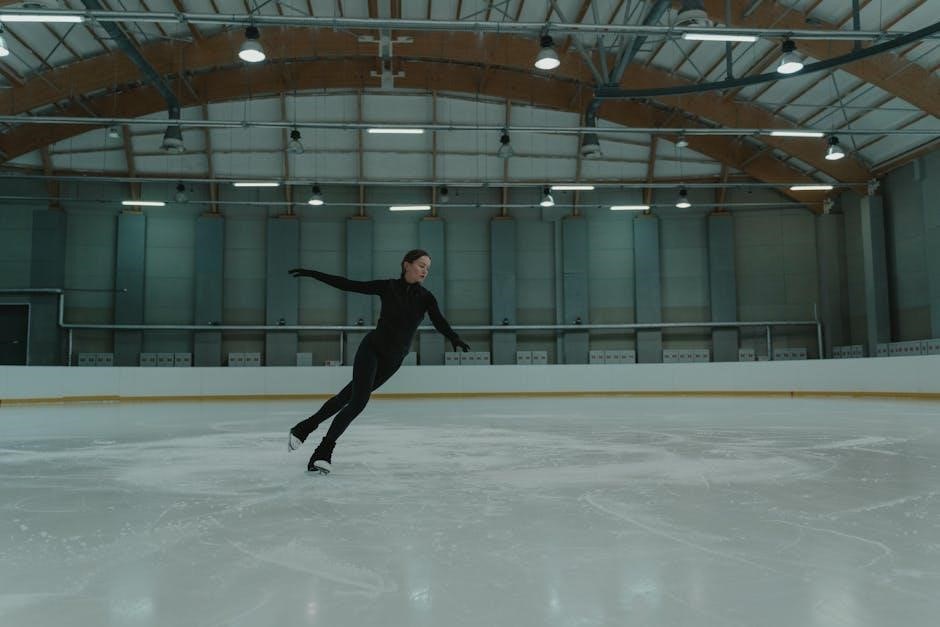
Successfully incorporating LSVT BIG principles extends beyond formal exercise sessions. The goal is to recalibrate movement patterns, making larger amplitude actions feel natural during everyday tasks. Consciously apply BIG movements – reaching further for objects, taking larger steps while walking, and initiating more forceful sit-to-stand transitions.
Utilize your PDF home exercise guides as reminders, but also proactively seek opportunities to practice throughout the day. Imagine performing exercises while doing chores or engaging in hobbies. This consistent application reinforces neuroplasticity, solidifying improved motor control. Remember, it’s about retraining your brain to initiate and execute movements with greater intensity and range, ultimately enhancing functional independence and quality of life;

LSVT BIG vs. Other Parkinson’s Therapies
LSVT BIG differs from traditional physical therapy by focusing intensely on amplitude and repetitive, large-movement exercises, promoting neuroplasticity for Parkinson’s patients.
LSVT BIG Compared to Traditional Physical Therapy
LSVT BIG distinguishes itself from conventional physical therapy through its highly specific and intensive approach. Traditional therapy often addresses a broader range of impairments, employing varied techniques. Conversely, LSVT BIG centers almost exclusively on maximizing amplitude – the size of movements – believing this directly combats the bradykinesia common in Parkinson’s disease.
The program’s emphasis on repetitive, large-movement patterns, performed with significant effort, aims to recalibrate the patient’s perception of effort and normalize movement strategies. While traditional PT may incorporate amplitude work, it’s rarely the singular, driving focus. LSVT BIG’s standardized protocol, delivered over four weeks, provides a structured and intensive intervention, differing from the more individualized and potentially less concentrated nature of typical physical therapy sessions.
Combining LSVT BIG with LSVT LOUD
LSVT BIG and LSVT LOUD are often administered concurrently, recognizing the interconnectedness of motor and vocal functions in Parkinson’s disease. LSVT LOUD, like BIG, is a four-week intensive program, but focuses on improving vocal loudness and speech clarity. Combining the two therapies addresses both physical and communication impairments, offering a more holistic treatment approach.
The synergy arises because the same principles – effort, repetition, and recalibration – underpin both programs. Individuals often experience improvements in both movement and voice when treated simultaneously. This integrated approach acknowledges that Parkinson’s affects the entire system, and targeting multiple domains can lead to more comprehensive and lasting benefits. LSVT for LIFE builds upon these initial therapies, providing ongoing support.
LSVT BIG and Tai Chi: Synergistic Effects
Research suggests that combining LSVT BIG with Tai Chi can yield enhanced benefits for individuals with Parkinson’s disease, particularly regarding balance and gait. A case study published on ResearchGate highlighted improvements in these areas when Tai Chi was integrated with LSVT BIG home exercises. Tai Chi’s slow, deliberate movements complement the amplitude-focused training of LSVT BIG.
The gentle, weight-shifting nature of Tai Chi can improve stability and coordination, while LSVT BIG reinforces larger movement patterns. This combination addresses both the motor symptoms and the postural instability often experienced by those with Parkinson’s. Continued practice, including LSVT for LIFE, is crucial for maintaining gains.

Resources and Further Information
LSVT BIG resources are available through certified providers, ResearchGate publications, and the Parkinson’s Foundation, aiding continued exercise and understanding.
Finding a Certified LSVT BIG Provider
Locating a qualified LSVT BIG therapist is crucial for successful implementation of the program. The LSVT GLOBAL website offers a comprehensive directory to help individuals connect with certified providers in their area. This directory allows searching by location, profession (physical therapist, occupational therapist, or speech-language pathologist), and contact information.
It’s important to verify the provider’s credentials and experience with LSVT BIG specifically. Don’t hesitate to inquire about their training and the number of patients they’ve treated with this approach. A skilled therapist will conduct a thorough initial evaluation to tailor the exercise protocol to your individual needs and Parkinson’s disease symptoms. Accessing a certified provider ensures you receive the program with fidelity and maximize potential benefits.
ResearchGate Resources on LSVT BIG
ResearchGate serves as a valuable platform for accessing scholarly articles and research related to LSVT BIG. Numerous studies explore the program’s effectiveness on various Parkinson’s disease symptoms, including balance, gait, and motor function. A case study published on January 1, 2018, by Maureen Romanow Pascal and colleagues investigated the effects of LSVT BIG home exercises combined with Tai Chi on an individual with Parkinson’s.
Further research available on ResearchGate delves into the program’s mechanisms and optimal implementation strategies. These resources provide evidence-based insights for both clinicians and individuals seeking to understand the benefits and nuances of LSVT BIG therapy. Searching “LSVT BIG” on ResearchGate yields a wealth of information for deeper exploration.
Parkinson’s Foundation Resources
The Parkinson’s Foundation offers a comprehensive suite of resources dedicated to supporting individuals living with Parkinson’s disease, including information about LSVT BIG. Their website features a “Fitness Friday” video series, with weekly focuses on different aspects of fitness designed for people with Parkinson’s. A video from January 19, 2025, highlights exercises relevant to the LSVT BIG treatment program, providing visual guidance and expert instruction.

The Foundation’s resources aim to empower patients and caregivers with knowledge and tools to manage the condition effectively. They provide access to educational materials, support groups, and information on finding qualified healthcare professionals specializing in Parkinson’s care and LSVT BIG therapy.

LSVT for LIFE
LSVT for LIFE is a virtual platform designed for individuals who have completed LSVT LOUD or LSVT BIG therapy, aiding in continued practice.
What is LSVT for LIFE?
LSVT for LIFE represents a crucial extension of the impactful LSVT BIG and LSVT LOUD programs. Recognizing that the benefits of intensive therapy can diminish over time without continued effort, LSVT for LIFE provides a virtual platform dedicated to maintaining and reinforcing those gains. It’s specifically tailored for individuals who have already successfully completed either the physical or occupational therapy component of LSVT BIG, or the speech therapy of LSVT LOUD;
This innovative platform isn’t a replacement for the initial intensive therapy, but rather a supportive tool designed to integrate into daily routines. It offers convenient access to exercises and strategies learned during the original program, empowering individuals to proactively manage their Parkinson’s symptoms long-term and sustain improved movement and communication skills.
Virtual Platform Features
LSVT for LIFE’s virtual platform is thoughtfully designed to deliver accessible and engaging continued therapy. Key features include a library of exercise videos led by expert clinicians, like Tami Hefferon and Jenny Tuccitto, demonstrating proper form and technique for LSVT BIG movements. These videos allow users to practice independently, reinforcing learned strategies.
The platform also facilitates tracking progress and adherence to a personalized exercise plan. While details on specific tracking mechanisms aren’t widely publicized, the core aim is to promote consistent practice. It’s a convenient way to integrate LSVT BIG principles into daily life, helping individuals maintain improvements in amplitude, movement strategies, and overall function post-intensive therapy.
Maintaining Gains After Initial Therapy
Sustaining the benefits of LSVT BIG requires ongoing commitment to exercise, even after completing the initial four-week program. This is where LSVT for LIFE proves invaluable, offering a structured pathway for continued practice. Regular engagement with the exercises, utilizing resources like the platform’s video library, reinforces neuroplasticity and helps counteract Parkinson’s disease progression.
Consistent repetition of large amplitude movements, sit-to-stand, walking, reaching, and turning exercises are crucial. Integrating these movements into daily routines – consciously exaggerating actions – further solidifies gains. Accessing LSVT BIG exercise PDFs can supplement the virtual platform, providing a tangible reference for home practice and promoting long-term motor skill retention.