-
By:
- terrence
- No comment
cross stitch pattern pdf
Understanding Cross Stitch Pattern PDFs
Cross stitch pattern PDFs offer a convenient‚ digital format for accessing embroidery designs‚ enabling easy downloading and printing for immediate stitching enjoyment.
These files typically contain all necessary information‚ including charts‚ color keys‚ and stitch counts‚ streamlining the crafting process for enthusiasts.
What is a Cross Stitch Pattern PDF?
A cross stitch pattern PDF is a digital file containing all the information needed to complete a cross stitch project. Essentially‚ it’s a downloadable document‚ typically in the Portable Document Format‚ that replaces traditional paper patterns.
These PDFs include a visual chart or grid representing the design‚ a color key listing the required DMC thread numbers‚ and a symbol key explaining what each symbol on the chart represents. Crucially‚ they also specify the stitch count and the finished size of the completed design.
This format allows stitchers to easily view‚ print‚ and even enlarge or adjust the pattern as needed‚ offering flexibility and convenience compared to physical patterns. They are readily available for both free and purchase‚ making cross stitch accessible to all.
Why Use PDF Patterns?
PDF patterns offer numerous advantages for cross stitchers. Firstly‚ they are incredibly convenient – instantly downloadable and accessible on any device‚ eliminating shipping costs and wait times. Secondly‚ they are environmentally friendly‚ reducing paper waste compared to traditional patterns.
PDFs allow for easy scaling and printing at different sizes‚ accommodating various fabric counts and desired finished dimensions. Furthermore‚ many patterns include both color and black-and-white versions for economical printing.
Digital formats also facilitate easy storage and organization. They are perfect for building a comprehensive pattern library‚ readily available whenever inspiration strikes‚ and are compatible with pattern viewing software.
Where to Find Free Cross Stitch Pattern PDFs
Numerous online resources provide free cross stitch pattern PDFs‚ including websites like DMC and LoveCrafts‚ alongside dedicated online pattern libraries and various crafting blogs.
DMC Free Patterns
DMC‚ a renowned name in embroidery floss‚ generously offers a vast collection of free cross stitch patterns available for download in PDF format. These patterns cater to all skill levels‚ from absolute beginners to experienced stitchers‚ ensuring there’s something for everyone.
You’ll discover a diverse range of designs‚ encompassing beginner-friendly motifs‚ modern and contemporary aesthetics‚ and charming printable options. DMC’s selection frequently includes seasonal patterns‚ holiday-themed designs‚ and delightful illustrations perfect for adding a personal touch to home décor or creating heartfelt gifts.
Accessing these patterns is straightforward; simply visit the DMC website and navigate to their free pattern section. The patterns clearly indicate the required DMC thread colors‚ stitch counts‚ and often include helpful charts for easy following;
LoveCrafts Free Patterns
LoveCrafts presents a delightful array of free cross stitch patterns‚ readily available for download as convenient PDF files. This platform boasts a diverse selection designed to appeal to cross-stitchers of every proficiency level‚ offering projects suitable for both newcomers and seasoned enthusiasts.
Explore a wide spectrum of designs‚ ranging from stylish and contemporary motifs to charming and traditional patterns. LoveCrafts consistently updates its collection‚ ensuring a fresh and inspiring selection of projects. The patterns are clearly presented‚ detailing necessary materials and providing easy-to-follow charts.
Downloading is simple – just browse the LoveCrafts website‚ select your desired pattern‚ and save the PDF to begin your stitching adventure!
Online Pattern Libraries
Numerous online pattern libraries serve as treasure troves for free cross stitch patterns in PDF format. These digital repositories often amass thousands of designs‚ contributed by designers and enthusiasts alike‚ offering an expansive range of choices for stitchers.
These libraries frequently categorize patterns by theme‚ skill level‚ or designer‚ simplifying the search process. Many allow users to browse and download patterns directly‚ providing instant access to new projects. Expect to find a diverse collection‚ from simple beginner designs to intricate‚ complex charts.
Exploring these libraries is a fantastic way to discover unique and inspiring cross stitch creations!
Websites Offering Free Downloads
Several dedicated websites specialize in providing free cross stitch patterns available for immediate download as PDF files. DMC consistently offers a selection of beginner-friendly and themed patterns directly on their website‚ catering to various skill levels and interests.
LoveCrafts is another prominent platform‚ boasting a substantial collection of free cross stitch designs suitable for all stitchers. Beyond these‚ numerous independent blogs and crafting websites regularly publish free patterns‚ expanding the available options.
Always check the terms of use before downloading‚ ensuring the pattern is intended for personal‚ non-commercial use.
Popular Cross Stitch Pattern Themes in PDF Format
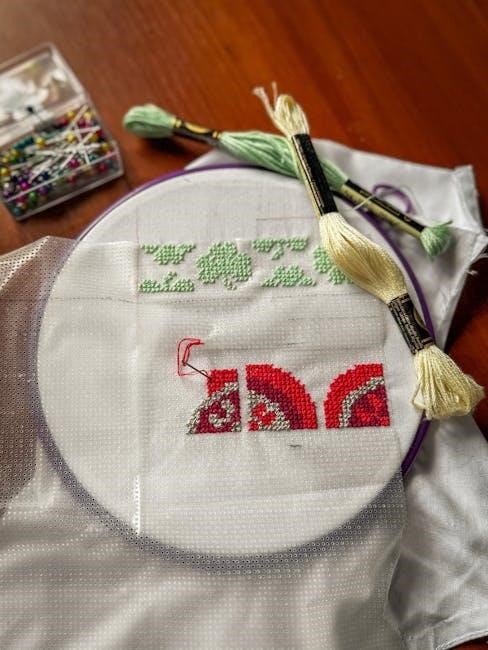
Cross stitch pattern PDFs showcase diverse themes‚ including beginner designs‚ modern aesthetics‚ charming florals‚ and delightful animal motifs‚ appealing to varied preferences.
Beginner-Friendly Patterns
Beginner-friendly cross stitch pattern PDFs are ideal for those new to the craft‚ offering simpler designs with fewer colors and straightforward stitch counts.
These patterns often feature basic shapes‚ easily recognizable images like hearts or flowers‚ and clear‚ uncluttered charts. DMC provides numerous free beginner patterns in PDF format‚ perfect for initial projects.
Look for patterns with a limited palette of DMC thread numbers to minimize confusion. Smaller stitch counts result in quicker completion‚ boosting confidence and encouraging continued exploration of this rewarding hobby. These introductory designs build essential skills before tackling more complex projects.
Modern & Contemporary Designs
Modern cross stitch pattern PDFs showcase a departure from traditional motifs‚ embracing geometric shapes‚ abstract art‚ and trendy color palettes.
These designs often feature minimalist aesthetics‚ bold typography‚ or quirky illustrations appealing to a contemporary sensibility. LoveCrafts offers a diverse selection of free modern patterns in PDF format‚ catering to various tastes.
Expect to find patterns incorporating negative space‚ unconventional color combinations‚ and designs inspired by current design trends. These patterns provide a fresh take on cross stitch‚ attracting a new generation of crafters seeking stylish and unique projects.
Floral and Nature Motifs
Floral and nature-themed cross stitch pattern PDFs remain incredibly popular‚ offering timeless beauty and a calming aesthetic. DMC provides numerous free patterns featuring flowers‚ leaves‚ and natural landscapes‚ readily available for download.
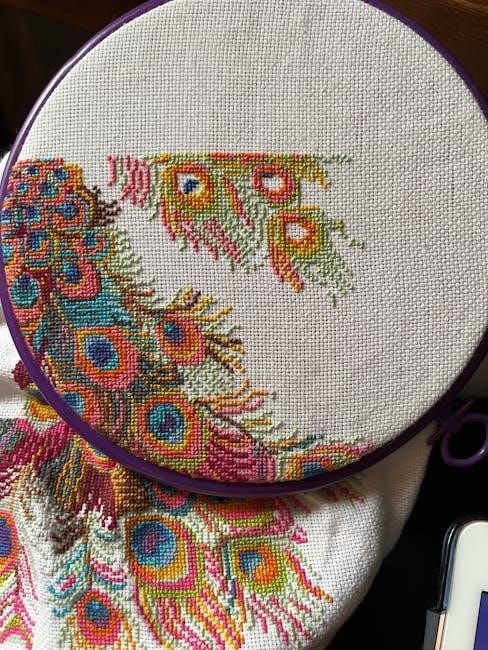
These designs range from delicate wildflowers and intricate roses to lush botanical gardens and serene woodland scenes. Expect vibrant color palettes inspired by nature‚ or more muted‚ vintage-inspired tones.
Whether you prefer realistic depictions or stylized interpretations‚ floral and nature motifs provide endless creative possibilities for cross-stitch enthusiasts of all skill levels‚ bringing a touch of the outdoors into your home.
Animal & Wildlife Patterns
Animal and wildlife cross stitch pattern PDFs are a delightful choice for stitchers‚ offering a diverse range of subjects from adorable domestic pets to majestic wild creatures. Many free patterns showcase charming designs like ladybugs – often with simple stitch counts‚ perfect for beginners.
Expect to find patterns featuring everything from playful bunnies and graceful deer to vibrant birds and exotic animals. These designs often incorporate realistic details or whimsical‚ cartoon-style interpretations.
These patterns allow you to create heartwarming pieces celebrating the animal kingdom‚ adding a personal touch to your home décor or gifting unique‚ handmade treasures.
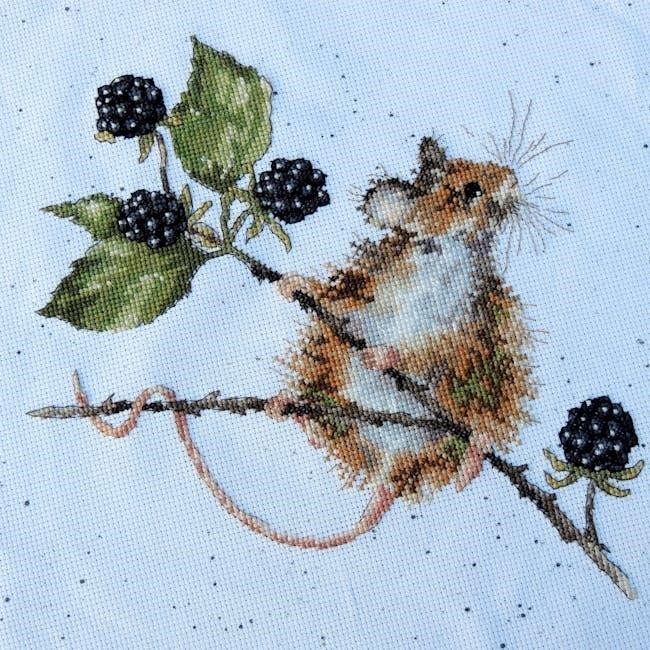
Essential Elements of a Cross Stitch Pattern PDF
Essential elements within a cross stitch pattern PDF include a clear chart‚ a detailed color key using DMC numbers‚ and a symbol key for easy decoding.
Pattern Chart/Grid
The pattern chart‚ or grid‚ is the foundational visual guide within a cross stitch PDF. It represents the fabric as a series of squares‚ each corresponding to a single stitch. These squares are filled with symbols or colors‚ dictating the specific stitch placement and thread color needed to recreate the design.
Charts can vary in size and complexity‚ ranging from simple‚ small designs to intricate‚ large-scale projects. Understanding how to read the grid is crucial; typically‚ each square represents one cross stitch on 14-count Aida cloth‚ though this can differ. The chart’s orientation is also important – ensure you begin stitching from the correct starting point indicated on the PDF. A well-designed chart will be clear‚ easy to follow‚ and accurately reflect the finished design.
Color Key (DMC Thread Numbers)
A crucial component of any cross stitch PDF is the color key‚ which meticulously lists the DMC thread numbers required for the project. DMC is the most widely used brand of embroidery floss‚ and the key provides a precise reference for selecting the correct shades.
Each color in the key is typically paired with a corresponding symbol from the pattern chart. This allows stitchers to easily identify which thread color to use for each section of the design. The key may also indicate the amount of thread needed‚ often expressed in terms of strand length. Accurate color matching is vital for achieving a faithful reproduction of the pattern‚ so referencing the DMC number is essential.
Symbol Key
The symbol key is an indispensable part of a cross stitch pattern PDF‚ acting as a visual translator between the chart and the colors. Each symbol represents a specific color of embroidery floss‚ usually a DMC thread number‚ simplifying the stitching process.
Pattern designers utilize various symbols – squares‚ circles‚ triangles‚ and more – to differentiate colors on the grid. The key clearly displays each symbol alongside its corresponding color‚ ensuring accurate stitch placement. Understanding the symbol key is fundamental; it allows stitchers to decipher the pattern chart and recreate the design faithfully. Without it‚ interpreting the pattern would be nearly impossible.
Stitch Count & Finished Size
The stitch count and finished size are crucial elements within a cross stitch pattern PDF‚ providing essential information for project planning. The stitch count details the total number of stitches – both horizontally and vertically – required to complete the design. This allows stitchers to calculate the approximate finished size on various fabric counts.
Knowing the finished size helps determine the appropriate fabric and hoop size. A pattern might state “100 stitches wide x 80 stitches high.” Combined with the fabric count (e.g.‚ 14-count Aida)‚ you can estimate the final dimensions. Accurate measurements ensure a well-proportioned and visually appealing finished piece.
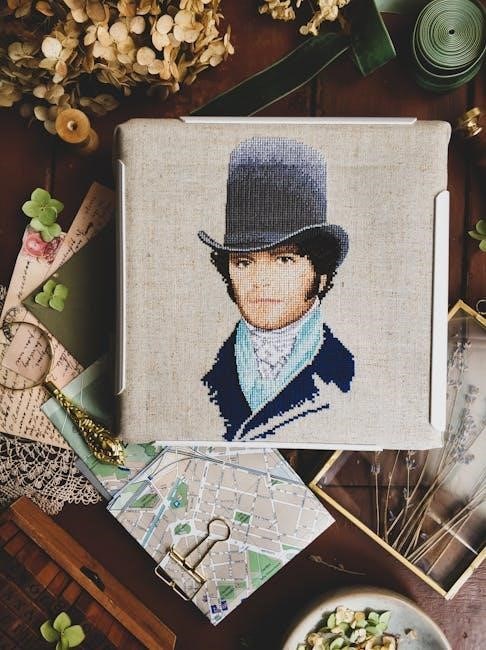
Software for Working with Cross Stitch Pattern PDFs
Specialized software enhances the cross stitch experience‚ offering tools for pattern viewing‚ editing‚ conversion‚ and customization of downloaded PDF patterns for optimal use.
Cross Stitch Converter Software
Cross stitch converter software is invaluable for transforming images into stitchable patterns‚ offering a creative outlet beyond pre-designed PDFs. Programs like Cross Stitch Professional allow users to import pictures and automatically generate charts‚ adjusting for stitch count and color palettes.
These tools often provide options to customize the pattern‚ selecting specific stitch types – full‚ half‚ or even backstitch – and fine-tuning the design to personal preferences. Furthermore‚ they can convert existing patterns between formats‚ ensuring compatibility with different viewing or editing software.
Such software empowers stitchers to personalize projects‚ creating unique designs from cherished photos or artwork‚ expanding the possibilities beyond readily available PDF patterns.
Pattern Viewing & Editing Tools
Pattern viewing and editing tools enhance the cross stitch experience with PDF patterns‚ offering features beyond basic viewing. Software allows zooming for detailed stitch clarity‚ and marking off completed sections to track progress effectively. Some programs enable color customization‚ substituting DMC shades to match existing thread stashes.
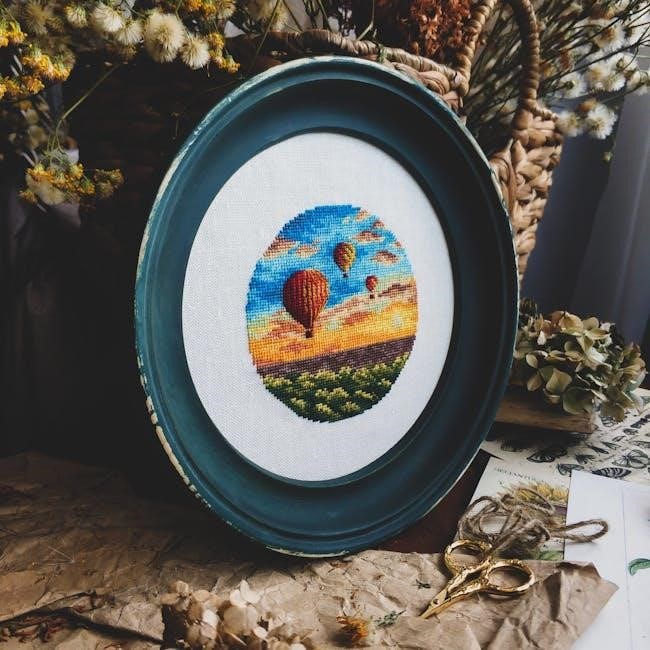
Advanced tools facilitate gridline adjustments‚ pattern mirroring‚ and even the addition of personal notes directly onto the PDF. These features are particularly useful for complex designs or when adapting patterns to different fabric counts.
Ultimately‚ these tools transform a static PDF into an interactive workspace‚ streamlining the stitching process and fostering creative control.
Printing and Using Cross Stitch Pattern PDFs
Printing cross stitch PDFs requires careful paper selection and scaling adjustments to ensure accurate stitch placement and a clear‚ readable chart for enjoyable crafting.
Paper Selection for Printing
Choosing the right paper is crucial when printing cross stitch patterns from PDFs. Standard printer paper works‚ but it can be too thin‚ leading to show-through of the pattern grid from the reverse side‚ making stitch counting difficult.
A slightly heavier weight paper‚ around 20-24lb‚ is often preferred for better clarity and durability. Matte photo paper or cardstock can also be excellent choices‚ providing a crisp‚ clean print and reducing glare. Consider the color of the paper too; off-white or cream can be easier on the eyes during long stitching sessions than bright white.
Experiment with different paper types to find what best suits your preferences and printer capabilities‚ ensuring a pleasant and accurate stitching experience.
Scaling and Adjusting Pattern Size
Accurate scaling is vital when printing cross stitch patterns from PDFs to ensure the finished piece matches the intended dimensions. Before printing‚ verify your printer settings are set to “100%” or “Actual Size” to prevent automatic scaling.
Print a test square – often included in the PDF – and measure it carefully with a ruler. If it doesn’t match the specified size (e.g.‚ 10cm x 10cm for 100 stitches on 14-count fabric)‚ adjust the scaling in your printer settings accordingly.
Some PDF viewers also allow manual scaling. Remember‚ even slight scaling errors can significantly alter the final project size‚ so precision is key.
Understanding Pattern Symbols
Cross stitch patterns utilize symbols to represent different thread colors‚ making the chart easier to read than relying solely on color. Each symbol corresponds to a specific DMC thread number‚ detailed in the pattern’s color key.
Familiarize yourself with the symbol key before starting; common symbols include squares‚ circles‚ triangles‚ and stars. Some patterns use shading or variations within symbols to indicate half stitches or different stitch types.
Carefully follow the chart‚ accurately placing each symbol with the correct color thread to achieve the desired design. Consistent symbol interpretation is crucial for a successful outcome.
Advanced Techniques & Pattern Types
Cross stitch PDFs extend beyond basic techniques‚ offering patterns for blackwork‚ samplers‚ and variations like full and half stitches for intricate designs.
Full Cross Stitch vs; Half Stitch
Cross stitch pattern PDFs frequently utilize both full and half stitch techniques‚ offering varying levels of detail and texture within a design. Full cross stitch involves completing each ‘X’ fully‚ creating a solid‚ dense appearance ideal for bold imagery and filling larger areas.
Conversely‚ half stitches – where only one leg of the ‘X’ is worked – provide shading‚ subtle details‚ and a softer look. Many patterns cleverly combine both‚ using half stitches to create gradients or highlight specific elements. Understanding this distinction is crucial for accurately interpreting cross stitch PDF charts and achieving the intended visual effect. Some patterns will clearly indicate half stitches with a different symbol or notation within the PDF.
Blackwork Patterns
Cross stitch pattern PDFs aren’t limited to traditional color; blackwork patterns offer a striking monochrome alternative. Traditionally executed with black thread on white fabric‚ these designs rely on varying densities of stitches – often just the outline of a cross – to create shading and intricate detail.
PDF blackwork patterns often showcase geometric designs‚ floral motifs‚ or even detailed landscapes. Interpreting these PDFs requires attention to stitch direction and fill patterns. While traditionally black‚ modern blackwork cross stitch PDFs may utilize other dark colors. The beauty lies in the contrast and the illusion of depth achieved through skillful stitch placement‚ making them a unique addition to any stitcher’s repertoire.
Sampler Patterns
Cross stitch pattern PDFs frequently include sampler designs‚ a historical tradition showcasing a variety of stitches‚ motifs‚ and often‚ alphabets. These patterns are excellent for practicing new techniques and building a stitch library. A PDF sampler isn’t just a single design; it’s a collection‚ offering diverse elements within one chart.
Historically‚ samplers demonstrated a stitcher’s skill and served as a record of patterns. Modern PDF samplers continue this legacy‚ providing a comprehensive learning experience. They often incorporate borders‚ floral elements‚ and personalized details. Downloading a sampler PDF is a fantastic way to explore different styles and expand your cross-stitch knowledge.

Resources for Customizing Patterns
Cross stitch pattern PDFs can be personalized using software to convert images or create original designs‚ offering endless creative possibilities for stitchers.
Creating Your Own Patterns
Designing your own cross stitch patterns from PDFs begins with selecting an image or concept. Specialized software allows you to upload visuals and convert them into a gridded chart‚ defining each stitch with corresponding colors.
Consider the complexity – simpler designs are ideal for beginners. Experiment with different stitch types‚ like full or half stitches‚ to achieve desired textures.
Carefully choose a color palette‚ referencing DMC thread numbers for accuracy.
Remember to calculate the stitch count to determine the finished size of your project. Testing a small section before committing to the entire design is highly recommended‚ ensuring clarity and aesthetic appeal.
Converting Images to Patterns
Converting images to cross stitch patterns involves utilizing specialized software that pixelates the image and translates each pixel into a stitch. These programs often allow customization of stitch types‚ color palettes‚ and pattern size‚ generating a PDF chart.
Begin by selecting a high-resolution image for optimal results. Adjust settings to control the level of detail and color complexity.
Many converters offer options to limit the number of colors used‚ aligning with available DMC threads.
Review the generated pattern carefully‚ making manual adjustments to refine the design and ensure clarity before stitching. Experiment with different settings to achieve the desired aesthetic.