-
By:
- terrence
- No comment
striker fired pistols with manual safety
Striker fired pistols with manual safety offer shooters a versatile combination of modern performance and added control․ Designed for those who value an extra layer of security, these handguns are well-suited for personal defense, range
What are Striker Fired Pistols?
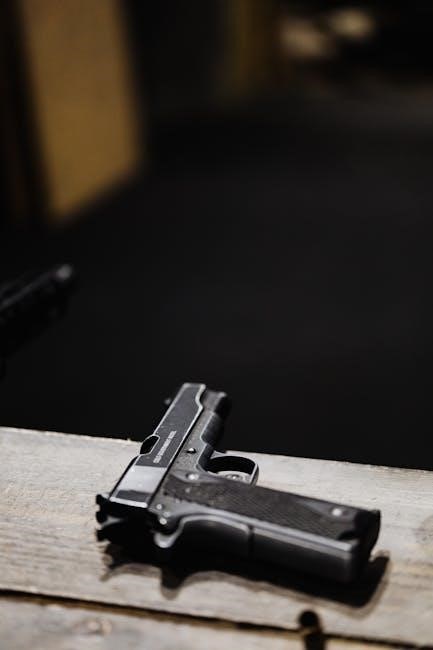
Striker-fired pistols represent a modern handgun design where the firing pin, known as the striker, is released directly by the trigger pull, without a separate cocking action․ Unlike traditional hammer-fired pistols, they generally offer a consistent trigger pull weight throughout․ These pistols are often “in battery,” meaning a cartridge is chambered and ready to fire with the safety mechanisms engaged․
However, some models, like those discussed, incorporate a manual safety for an added layer of security․ The absence of an external hammer contributes to a slimmer profile, favored by many shooters․ They rely on internal safeties, alongside the optional manual safety, to prevent accidental discharge․
The Role of a Manual Safety
A manual safety on a striker-fired pistol provides an additional, deliberate mechanical barrier against unintended discharge․ It’s an external control the shooter actively operates, offering peace of mind during carry and handling․ While many modern striker pistols rely on internal safeties – trigger and striker blocks – a manual safety adds a conscious step to the firing process․
This is particularly valued by those accustomed to traditional designs like the 1911․ It allows shooters to positively confirm the pistol’s readiness and can be crucial for safe holster work, as some ranges require it․
Understanding the Mechanics
Both types of firearm – striker or hammer fired – require their own manual of arms and instruction, each presenting a unique risk-benefit profile for the shooter․
Striker Firing System Explained
Striker-fired pistols operate differently than traditional hammer-fired designs․ Unlike hammer guns, which require a heavier initial trigger pull to cock the hammer and then fire, striker-fired pistols typically have a lighter, more consistent trigger pull․
These pistols are “in battery,” meaning a round can be chambered with the striker pre-cocked by the slide’s action․ The trigger releases the striker, initiating the firing sequence․ Internal safety mechanisms, like trigger and striker blocks, are crucial to prevent accidental discharge, offering a distinct operational characteristic․
How Manual Safeties Function
A manual safety on a striker-fired pistol is an external lever, typically located on the frame, that physically blocks the trigger or striker from moving․ When engaged, the safety prevents the pistol from firing, even if the trigger is pulled․
Disengaging the safety removes this block, allowing the trigger to function normally․ This adds a deliberate action to the shooting process, providing an extra layer of control and preventing unintentional discharges, particularly during carry or handling․
Internal Safety Mechanisms in Striker-Fired Pistols
Beyond manual safeties, striker-fired pistols incorporate several internal mechanisms to prevent accidental firing․ A trigger safety, common in many models, requires consistent rearward pressure on the trigger to disengage, preventing movement if not actively pulled․
Additionally, striker block safeties and drop safeties prevent the striker from releasing if the pistol is dropped or experiences a significant impact․ These systems work in conjunction, offering multiple layers of protection even without a manual safety engaged․
Benefits of a Manual Safety on a Striker Pistol
A manual safety enhances overall carrying safety and adds steps to the manual of arms, providing increased control and reducing negligent discharge risks for all users․
Enhanced Safety for Carry
The inclusion of a manual safety on a striker-fired pistol demonstrably elevates the safety profile for everyday carry․ Unlike some striker designs relying solely on internal mechanisms and trigger safeties, a manual safety introduces a deliberate, external action required before the firearm can discharge․ This proactive step minimizes the potential for accidental activation, particularly during concealed carry where clothing contact is a factor․
Essentially, it adds a conscious layer of control, reassuring the carrier that the pistol won’t fire unless intentionally disengaged․ This is especially valuable for individuals new to firearms or those desiring an extra margin of safety․
Reduced Risk of Negligent Discharge
A manual safety significantly diminishes the likelihood of a negligent discharge in a striker-fired pistol․ While modern striker pistols incorporate internal safeties – trigger, striker, and drop safeties – these are passive systems․ A manual safety requires a positive, conscious action from the shooter to deactivate it, providing an additional barrier against unintentional firing․
This is crucial during handling, holstering, or if the pistol experiences a jarring impact․ The deliberate disengagement process reinforces safe gun handling practices and offers peace of mind, knowing an extra safeguard is in place․
Added Control for New Shooters
For individuals new to firearms, a manual safety on a striker-fired pistol can instill greater confidence and control․ The physical act of engaging and disengaging the safety promotes a more deliberate and mindful approach to handling the weapon․ This enforced discipline helps establish fundamental safe gun handling habits from the outset․
It allows new shooters to become intimately familiar with the pistol’s operation and build muscle memory for safe manipulation, reducing anxiety and fostering responsible firearm ownership․
Popular Models of Striker Fired Pistols with Manual Safety
Several manufacturers offer striker-fired pistols with manual safeties, including the Springfield XD/Mod․2 Series, Walther PDP Series, and CZ P-10 C/F Series․
Springfield XD/Mod․2 Series
The Springfield XD and Mod․2 series pistols are renowned for their adaptability, offering models with and without manual safeties․ These pistols cater to diverse shooter preferences, providing options for those desiring an additional layer of security during carry․ The Mod․2 enhancements include a refined grip texture and improved trigger pull․ Springfield’s commitment to modularity allows users to easily swap components, customizing the firearm to their specific needs․ These pistols are frequently chosen for concealed carry due to their balance of size, weight, and safety features, making them a popular choice among responsible gun owners․
Walther PDP Series
Walther’s PDP (Performance Duty Pistol) series represents a significant evolution in striker-fired pistol design, notably offering models equipped with a manual safety․ These pistols are celebrated for their exceptional ergonomics and performance-driven features․ The PDP boasts a redesigned slide and frame, enhancing grip and control․ Walther prioritizes accuracy and reliability, making the PDP a favored choice for both competition and self-defense․ The inclusion of a manual safety provides an added measure of security, appealing to shooters who prefer a traditional safety mechanism alongside modern striker technology․
CZ P-10 C/F Series
The CZ P-10 C and F series pistols are renowned for their reliability, accuracy, and comfortable ergonomics, with select models featuring a manual safety․ CZ offers both compact (C) and full-size (F) options, catering to diverse shooter preferences․ These pistols incorporate a robust striker-fired system and a textured grip for enhanced control․ The availability of a manual safety version provides an extra layer of security for carry and handling, appealing to those seeking a blend of modern design and traditional safety features․
Comparing to Other Pistol Types
Both striker and hammer-fired pistols require dedicated manuals of arms and instruction, each presenting a unique risk-benefit profile for the shooter to evaluate․
Striker vs․ Hammer Fired Pistols
The core difference lies in the ignition system: hammer-fired pistols utilize a physical hammer, requiring a heavier, longer trigger pull for the first shot in double-action mode, while striker-fired pistols employ an internal striker released by a lighter trigger pull․ Some carry hammer-fired pistols with the hammer down, necessitating a lengthy initial trigger squeeze․
Striker-fired options, often in-battery, allow for a quicker follow-up shot․ A manual safety on a striker pistol adds an extra layer of security absent in many hammer-fired designs, though internal safeties are common in both․ Ultimately, the choice depends on individual preference and training, as both systems can be safe and effective․
Striker Fired vs․ Pistols with Trigger Safeties Only
Pistols relying solely on trigger safeties, common in many striker-fired designs like Glocks, prevent rearward trigger movement unless actively pressed․ However, some shooters prefer the added mechanical security of a manual safety found on pistols like the Springfield XD or Walther PDP․ These external safeties offer a visible and tactile confirmation of the firearm’s status․
While trigger safeties and internal striker blocks aim to prevent negligent discharge, a manual safety provides an additional, user-controlled safeguard․ The debate centers on balancing inherent safety features with the added control and peace of mind a manual safety offers․
Manual of Arms Considerations
Both types of firearm require their own manual of arms and instruction; consistent practice builds muscle memory for safe and efficient operation with a manual safety․
Safe Handling Procedures
Prioritize treating every firearm as if it’s loaded, maintaining muzzle awareness, and keeping your finger off the trigger until ready to engage a target․ With a striker-fired pistol featuring a manual safety, consistently ensure the safety is on during handling, storage, and transport․
Always visually and physically inspect the chamber to verify it’s clear before loading or unloading․ Practice safe directions of fire, and never point the firearm at anything you aren’t willing to destroy․ Remember, a manual safety is an added layer, not a replacement for fundamental safe gun handling practices․
Drawing and Holstering with a Manual Safety
When drawing, establish a firm grip and deliberately disengage the manual safety as part of your presentation․ Consistent practice is crucial to develop muscle memory for this step, ensuring a smooth and efficient draw․ Holstering requires equal diligence; re-engage the safety before re-holstering to prevent accidental discharge․
Utilize a quality holster designed for your specific pistol model, providing adequate retention and coverage․ Avoid any unnecessary manipulation of the trigger during holstering․ Remember, a deliberate and practiced manual of arms is paramount for safe carry․
Disengaging the Safety During Target Acquisition
Disengaging the manual safety should be a fluid, integrated part of your target acquisition process․ Avoid a jerky or hesitant movement; a smooth sweep with your thumb is ideal․ Focus on maintaining your sight picture while simultaneously disengaging the safety, minimizing disruption to your aim․
Dry fire drills are invaluable for mastering this technique․ Consistent practice builds muscle memory, allowing you to disengage the safety instinctively without losing focus on the target․ Prioritize speed and accuracy during this critical step․
Training and Practice
Consistent practice is paramount for comfort and muscle memory with a manual safety․ Dry fire drills focusing on safety manipulation are incredibly beneficial for shooters․
Importance of Consistent Practice
Mastering a striker-fired pistol with a manual safety demands dedicated, consistent practice․ The added step of manipulating the safety requires building strong muscle memory to ensure smooth, reliable operation under stress․ Regular training solidifies the manual of arms, transforming safety procedures into instinctive actions․
Without consistent repetition, the safety can become a hindrance rather than a benefit․ Practice should encompass drawing, holstering, target acquisition, and malfunction drills, always prioritizing safe handling․ This focused effort builds confidence and proficiency, ultimately enhancing both safety and speed․
Dry Fire Drills with Safety Manipulation
Dry fire drills are crucial for honing skills with a striker-fired pistol featuring a manual safety․ Focus on safely practicing the disengagement of the safety during target acquisition, ensuring a fluid and deliberate motion․ Repetition builds muscle memory, minimizing hesitation in dynamic situations․
Visualize each step – grip, draw, safety off, sight alignment, trigger press – and execute slowly and deliberately․ This reinforces proper technique and identifies areas for improvement․ Always adhere to strict firearm safety rules during dry fire practice․
Live Fire Training Scenarios
Live fire drills with a striker-fired pistol and manual safety should mirror realistic self-defense situations․ Incorporate scenarios requiring quick, safe disengagement of the safety while transitioning between targets․ Practice drawing from concealment, immediately sweeping the safety, and acquiring a sight picture․
Vary distances, shooting positions, and time constraints to challenge your skills․ Remember, consistent practice builds confidence and reinforces the muscle memory necessary for effective operation under stress․ Prioritize safety above all else during live fire exercises․
Legal and Regulatory Aspects
State and local laws regarding manual safeties vary; some jurisdictions may impact concealed carry permits․ Understanding these regulations is crucial for legal ownership and responsible carry․
State and Local Laws Regarding Manual Safeties
The legal landscape surrounding striker-fired pistols with manual safeties is complex and varies significantly․ Some states may have specific requirements for features on handguns permitted for sale or carry, potentially favoring those with external safeties․ Local ordinances can further refine these rules, impacting what’s legal within city or county limits․
It’s essential to research your specific jurisdiction’s laws regarding firearm safety features․ Certain areas might mandate manual safeties for concealed carry, while others remain neutral․ Failing to comply with these regulations can lead to legal penalties, including fines or the revocation of permits․ Always prioritize understanding and adhering to all applicable laws․
Impact on Concealed Carry Permits
The presence of a manual safety on a striker-fired pistol can influence concealed carry permit acquisition in some jurisdictions․ States prioritizing firearm safety may view manual safeties as a positive attribute, potentially streamlining the permitting process for these handguns․ Conversely, others may not explicitly require or favor them․
Applicants should verify if their state’s concealed carry laws address safety features․ Some range policies, mirroring legal concerns, may restrict holster work with safetyless strikers․ Understanding these nuances is crucial for legally and safely carrying a concealed firearm, ensuring full compliance with all applicable regulations․
Maintenance and Upgrades
Regular cleaning and inspection are vital for reliability․ Aftermarket safety options exist, allowing customization, but ensure compatibility and professional installation for optimal function․
Regular Cleaning and Inspection
Consistent maintenance is paramount for any firearm, especially striker-fired pistols with manual safeties․ Frequent cleaning removes fouling that can impede function, impacting both the striker mechanism and the safety lever․ Inspect the safety for smooth operation, ensuring it engages and disengages positively․ Examine the striker channel for debris․ A well-maintained pistol ensures reliable performance and longevity, crucial for self-defense or recreational shooting․ Pay close attention to lubrication points, as proper lubrication reduces wear and tear on critical components․ Regular checks contribute significantly to safe and dependable operation․
Aftermarket Safety Options
While many striker-fired pistols now ship with manual safeties, the aftermarket provides options for those seeking alternatives or upgrades․ These include extended safety levers for easier access, or safeties with different textures for improved grip․ Some manufacturers offer adjustable safeties, allowing shooters to customize the engagement point․ When considering aftermarket parts, prioritize quality and compatibility with your specific pistol model․ Professional installation is recommended to ensure proper function and avoid compromising the firearm’s safety mechanisms․ Always verify legality before installing any modifications․

Debates and Considerations
The argument centers on balancing safety and speed; some prefer the added security of a manual safety, while others prioritize quicker target engagement without it․
The Argument for and Against Manual Safeties
The debate surrounding manual safeties on striker-fired pistols mirrors historical firearm discussions, like the shift from revolvers to the 1911․ Proponents emphasize enhanced safety, particularly during carry and storage, reducing negligent discharge risks․ A manual safety offers an additional layer of control, beneficial for newer shooters building fundamental skills․
Conversely, opponents argue safeties add complexity and time to target acquisition, potentially hindering defensive response․ They believe modern striker designs, with internal safeties and trigger mechanisms, provide sufficient safeguards․ Ultimately, the choice depends on individual preference, training, and risk tolerance, mirroring the ongoing evolution of firearm design․
Balancing Safety and Speed
Achieving a balance between safety and speed with a striker-fired pistol featuring a manual safety requires dedicated training and consistent practice․ Muscle memory is paramount; the disengagement of the safety must become instinctive and fluid, minimizing any delay in target engagement․
The key lies in integrating safety manipulation into the draw stroke and sight alignment process․ While a safety adds a step, proficient practice can mitigate the time lost, ensuring a safe yet rapid response․ Some shooters may opt not to use the safety if comfort isn’t achieved․
Range Rules and Policies
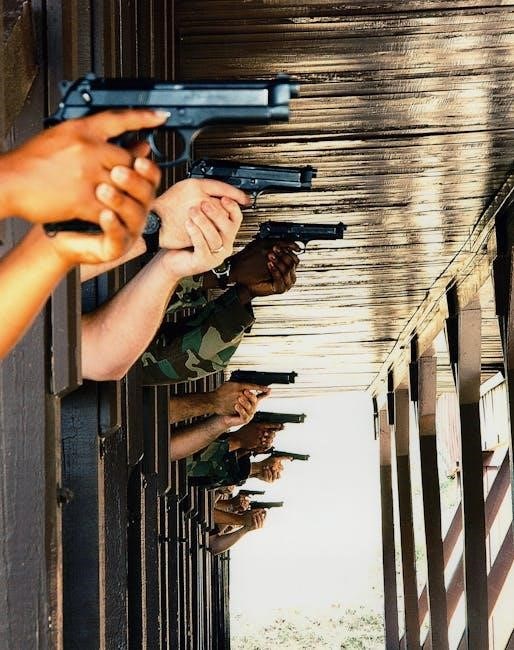
Many ranges permit holster work with safeties, like 1911s, but strictly forbid it with safetyless striker-fired pistols, such as Glocks, prioritizing safety․
Common Range Restrictions for Striker-Fired Pistols
A frequent range restriction involves holster work; many ranges allow it only with pistols equipped with a manual safety, mirroring the protocols for 1911-style handguns․ This policy stems from concerns about negligent discharges with safetyless striker-fired pistols like Glocks during the draw․ Ranges prioritize a higher margin of safety, especially when dynamic movements are involved․
Consequently, shooters using striker-fired pistols without manual safeties may be restricted to slower, deliberate draws from retention positions, or simply prohibited from holster work altogether․ These rules aim to mitigate the risk associated with a lighter trigger pull and the absence of an external safety mechanism․
Safety Protocols for Holster Work
When performing holster work with a striker-fired pistol featuring a manual safety, consistently ensure the safety is engaged throughout the entire draw stroke until the sights are firmly on target․ Maintain a strong grip and proper finger placement, keeping the trigger finger outside the guard until ready to fire․
Prioritize a smooth, controlled draw, avoiding any abrupt movements․ Regularly verify the safety’s functionality and practice disengaging it decisively as part of your draw sequence․ Remember, consistent training builds muscle memory and reinforces safe handling practices․
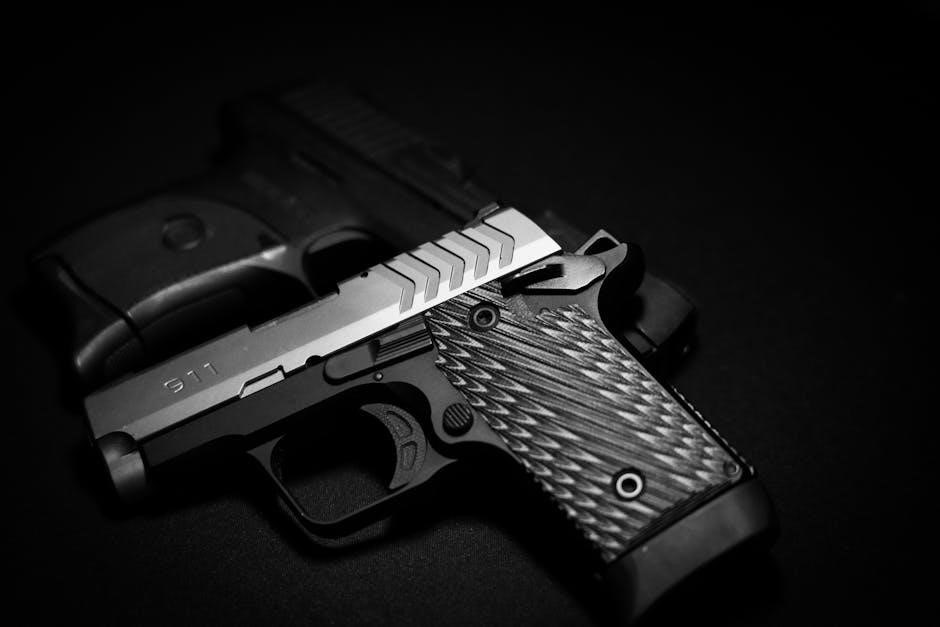
Future Trends in Striker Pistol Design
Potential innovations in safety mechanisms and manual safety placement are evolving, balancing shooter preference with enhanced control and streamlined operation for striker-fired pistols․
Potential Innovations in Safety Mechanisms
The future of striker-fired pistol safety likely involves refinements to existing internal mechanisms, such as enhanced trigger safeties and striker blocks, offering increased reliability and resistance to accidental discharge․ We might see “smart” pistols integrating biometric or grip recognition technology, adding another layer of security․
Furthermore, manufacturers could explore adaptive safety systems that adjust sensitivity based on user input or environmental factors․ Combining traditional manual safeties with these advanced technologies could provide a comprehensive safety net, appealing to a wider range of shooters seeking both control and modern features․
Evolution of Manual Safety Placement and Operation
Historically, manual safeties were predominantly frame-mounted thumb levers, mirroring designs from hammer-fired pistols like the 1911․ Modern striker-fired pistols with manual safeties, such as the Springfield XD/Mod․2 and Walther PDP, maintain this approach, prioritizing accessibility and intuitive operation for trained users․
However, future designs might explore alternative placements – slide-mounted or even integrated into the grip – to optimize ergonomics and speed․ We could also see refinements to safety operation, like ambidextrous controls or adjustable engagement points, catering to diverse shooter preferences and hand sizes․
Selecting a striker-fired pistol with a manual safety hinges on individual needs and priorities․ If enhanced safety during carry and an added layer of control appeal to you, models like the Springfield XD/Mod․2 or Walther PDP are excellent choices․
However, remember consistent training is paramount, regardless of your selection․ Consider your manual of arms, comfort level, and local range rules․ Ultimately, the “right” pistol is the one you confidently and competently operate, prioritizing safe handling and accurate shooting․