
-
By:
- terrence
- No comment
2015 jeep patriot user manual
The 2015 Jeep Patriot user manual provides detailed guidance on operation, maintenance, and safety․ It covers engine specs, dashboard controls, and troubleshooting steps, ensuring owners manage performance and upkeep․ It also includes service intervals and electrical fault troubleshooting and warranty!․

Safety Features and Warning Systems
According to the 2015 Jeep Patriot user manual, the vehicle is equipped with a comprehensive suite of safety systems designed to protect occupants and alert drivers to potential hazards․ The standard package includes dual front airbags, side curtain airbags, and a seat‑belt reminder system that activates when the vehicle is in motion․ The manual details the operation of the driver and passenger seat‑belt pretensioners, which tighten the belts automatically in the event of a collision, thereby reducing the risk of injury․
Electronic stability control (ESC) is highlighted as a critical feature that helps maintain vehicle control during abrupt steering maneuvers or on slippery surfaces․ The manual explains how the ABS monitors wheel speed and modulates brake pressure to keep the vehicle stable․
The 2015 Patriot also offers a driver‑assist system that includes a forward‑collision warning (FCW) and automatic emergency braking (AEB)․ The FCW system alerts the driver with visual and audible warnings when a potential collision is detected, while the AEB system can automatically apply the brakes if the driver fails to react in time․ The manual provides guidelines for maintaining these systems, such as keeping sensors and cameras clean and ensuring the battery is in good condition․
Additional safety features include a tire‑pressure monitoring system (TPMS) that alerts when tire pressure drops below recommended levels, and a rear‑view camera for parking․ The lists lights—check engine, oil pressure, battery—explaining actions now․

General Vehicle Features
The 2015 Jeep Patriot user manual outlines a range of standard and optional features that enhance comfort, convenience, and performance․ Standard equipment includes a 2․0‑liter, 4‑cylinder engine paired with a 5‑speed manual or 6‑speed automatic transmission, front‑wheel drive, and a 6‑speed automatic with over‑drive․ The manual details the engine’s 140 horsepower and 140 lb‑ft torque, as well as the 4․0‑liter, 4‑cylinder diesel option for improved fuel economy․
Interior amenities feature a 4‑inch color display, Bluetooth hands‑free connectivity, and a 6‑speaker audio system․ Optional upgrades include a 7‑inch touchscreen, navigation, and a premium Bose audio package․ The manual explains how to operate the climate control, power‑adjustable seats, and the rear‑view camera for parking assistance․
Exterior styling options cover 17‑inch alloy wheels, chrome trim, and a panoramic sunroof․ The manual also describes the available “Sport” and “Luxury” trim levels, each with distinct exterior and interior accents․ Safety and convenience features such as a rear‑view camera, blind‑spot monitoring, and a rear‑parking sensor are highlighted as optional add‑ons․
Maintenance guidance covers routine checks, fluid levels, and scheduled services․ The manual emphasizes the importance of keeping the vehicle’s battery, tires, and brakes in optimal condition to maintain performance and safety․
The manual advises owners to inspect suspension and steering for safe handling wheel alignment to maintain performance!․

Dashboard and Controls Overview
The 2015 Jeep Patriot user manual explains the layout and operation of the vehicle’s dashboard, providing a clear guide for new and experienced drivers alike․ The instrument cluster features a 6‑inch digital display that shows speed, fuel gauge, engine temperature, and warning lights․ The manual details how to interpret each warning indicator, from low‑fuel to engine‑coolant alerts, and explains the meaning of the check‑engine light․
Controls are grouped for intuitive use․ The steering wheel houses a multifunction button set: cruise control, audio volume, and a “driver‑assist” button that activates the rear‑view camera and parking sensors․ The manual shows how to toggle between manual and automatic transmission modes and how to engage the “Sport” mode for a more responsive throttle․
- Ignition: 3‑click turn‑on system; the manual explains the keyless‑entry procedure and the use of the “Start/Stop” button․
- Climate Control: Dual‑zone automatic temperature settings; the manual demonstrates how to set individual temperatures for driver and passenger․
- Infotainment: 4‑inch color screen with Bluetooth pairing, USB input, and an auxiliary jack; the manual includes step‑by‑step instructions for connecting a smartphone․
- Power‑Adjustable Seats: Manual and electric controls for lumbar support, seat height, and tilt; the manual highlights the memory seat feature and how to store presets․
- Lighting: Automatic headlamps, daytime running lights, and a fog‑lamp switch; the manual explains how to set the headlamp range and the use of the “Auto‑Headlights” feature․
Additional features such as the rear‑view camera, parking sensors, and the “Smart‑Key” system are described in detail․ The manual also covers the use of the “Driver‑Assist” button, which activates the rear‑view camera and the parking‑sensor display on the dashboard․ The section concludes with a troubleshooting guide for common dashboard issues, such as a flickering warning light or a non‑responsive infotainment screen, and provides recommended service intervals for the instrument cluster and associated sensors․ All controls are designed for ease of use and safety today․
Exterior Features and Options
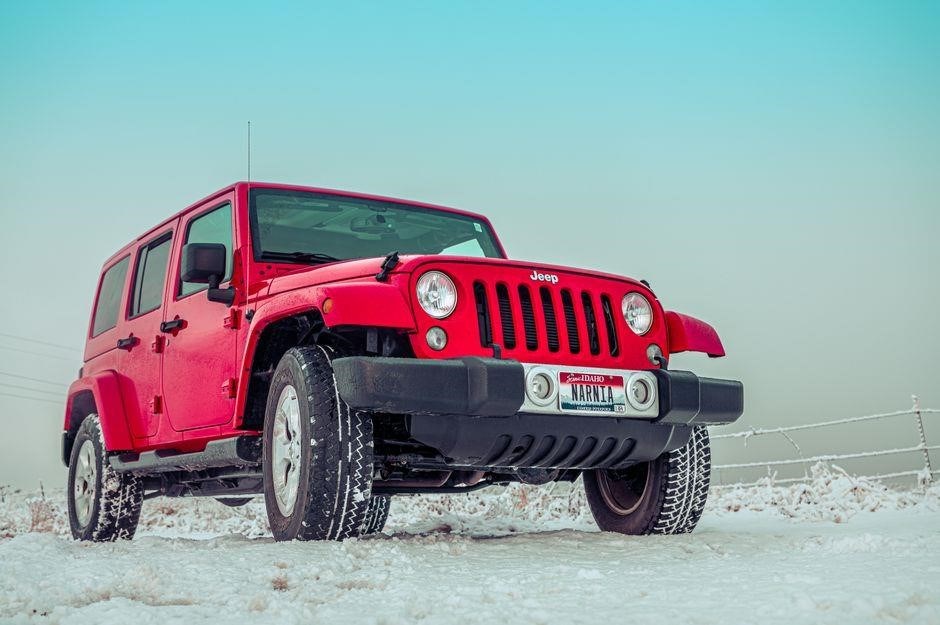
The 2015 Jeep Patriot user manual provides a comprehensive overview of exterior features and optional upgrades that enhance both the vehicle’s appearance and functionality; The base trim offers a 17‑inch alloy wheel set, chrome bumpers, a standard roof rack, and a power‑folding rear‑view mirror․ Optional packages include a 19‑inch wheel set, black or chrome trim, LED daytime running lights, and a higher‑ground‑clearance suspension․ The manual explains how to install the roof rack, detailing bolt torque specifications and weight limits․ It also describes how to attach optional body kits, such as a matte black front bumper or rear spoiler, and the correct torque settings for each mounting bracket․ The 2․0‑L model upgrades the standard halogen headlamps to LED daytime running lights, and the manual includes wiring diagrams and a description of the “Auto‑Headlights” feature․ Tire options are listed for each wheel size, and the manual advises on seasonal tire changes, all‑season versus summer or winter tires, and the impact on handling and fuel economy․ The manual also covers the use of roof‑mounted cargo boxes, bike racks, and tie‑down straps, with instructions on proper loading and weight distribution․ For owners who want a more rugged look, the Trail‑Ready package is recommended, featuring skid plates, a tow hook, and a higher‑ground‑clearance suspension․ Each optional feature is accompanied by a cost estimate and a brief description of its benefits․ The manual stresses the importance of checking the vehicle’s weight rating before adding aftermarket accessories, and it provides a quick reference chart for the maximum payload capacity of each configuration․ By following the guidelines in this section, owners can customize the Patriot’s exterior while maintaining compliance with safety and warranty requirements․ The manual also highlights the importance of regular exterior cleaning to preserve paint integrity, and it recommends using a pH‑neutral soap and microfiber towels․ Additionally, owners are advised to inspect the wheel bearings for noise and to replace any worn seals․ The manual concludes with a reminder that all optional accessories should be installed by a qualified technician to ensure proper fitment and to avoid voiding the warranty․ This comprehensive guide empowers owners to make informed decisions about exterior upgrades and to maintain the vehicle’s aesthetic appeal over time․
Interior Features and Comfort
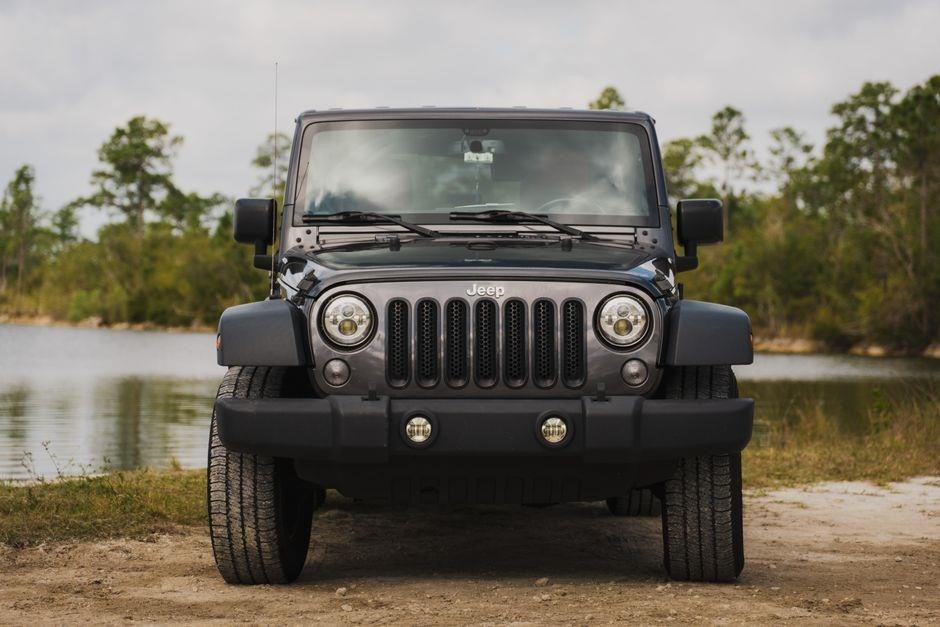
The 2015 Jeep Patriot user manual details interior amenities that prioritize driver and passenger comfort․ Standard seating includes power‑adjustable front seats with lumbar support and a 60/40 split rear seat that folds flat for cargo․ Optional leather upholstery, heated seats, and a power‑tilt/slide steering wheel are available on higher trims․ The manual explains how to adjust seat memory settings and calibrate the driver’s seat position, noting the importance of maintaining a proper seat belt clearance․ A 4‑speaker audio system is standard, while the Premium package adds a 6‑speaker surround‑sound system and a touchscreen infotainment display․ The manual provides wiring diagrams for installing aftermarket audio or navigation units and cautions against using incompatible connectors that could damage the vehicle’s electrical system․ Climate control is controlled via a 3‑speed automatic climate system; the manual explains how to set the temperature, fan speed, and airflow direction, and it includes a troubleshooting guide for the climate control module․ The 2015 model also offers a rear‑view camera, which the manual shows how to activate and calibrate; The manual lists the recommended interior cleaning products and advises against harsh chemicals that could damage upholstery or trim․ It also includes a quick reference for the location of the glove box, center console storage, and cup holders, and it explains how to use the built‑in USB ports for charging devices․!! The manual stresses checking tire pressure and ensuring the spare tire is mounted․

Engine and Powertrain Details
The 2015 Jeep Patriot user manual specifies engine options and powertrain configurations for this model year․ The standard 2․0‑liter, 4‑cylinder, direct‑injection engine delivers 138 horsepower and 140 lb‑ft of torque, paired with a 6‑speed manual transmission or a 6‑speed automatic․ A 2․4‑liter, 4‑cylinder engine produces 170 horsepower and 163 lb‑ft of torque, also mated to the same transmission choices․ The manual details the engine’s compression ratio, valve timing, and fuel‑system specifications, emphasizing the importance of using manufacturer‑approved gasoline to maintain emissions compliance and performance․ It explains the torque‑converter clutch operation in the automatic and the shift‑point calibration for the manual gearbox․ The 4WD system is described, including the transfer case type, low‑range gearing, and the electronic traction‑control logic that engages when wheel slip is detected․ The manual provides a schematic of the drivetrain layout, noting the front‑wheel‑drive or four‑wheel‑drive options, and it lists the differential gear ratios for each configuration․ It includes a section on the cooling system, detailing the radiator capacity, coolant type, and the thermostat location․ The manual advises on the timing belt or chain replacement intervals, the oil‑type recommendations, and the importance of monitoring the oil pressure gauge․ Finally, it outlines the recommended maintenance schedule for the engine, including oil changes, spark‑plug replacement, and air‑filter cleaning, to ensure optimal power delivery and fuel efficiency!!

Maintenance and Service Schedules
The 2015 Jeep Patriot user manual outlines a comprehensive maintenance schedule designed to preserve performance and extend vehicle life․ Oil changes are recommended every 5,000 miles or 6 months, whichever comes first, using SAE 0W‑20 synthetic oil․ The manual specifies a 5,000‑mile interval for the engine oil filter replacement․ Tire rotation should occur every 7,500 miles to promote even tread wear, with alignment checks every 12,000 miles or when steering feels off․ Brake system inspections are advised at 10,000‑mile intervals, focusing on pad thickness, rotor condition, and fluid levels․ Coolant should be refreshed every 30,000 miles or 4 years, with a 50/50 mix of Antifreeze and distilled water, and the radiator and heater core should be inspected for leaks․ The air‑filter replacement schedule calls for a new filter every 15,000 miles or if the filter appears dirty․ The manual also recommends checking the battery’s electrolyte level and cleaning terminals at each oil change․ Transmission fluid in the automatic should be inspected at 30,000 miles and replaced at 60,000 miles, while the manual transmission requires fluid changes at 60,000 miles․ Spark plugs are to be replaced at 100,000 miles to maintain ignition efficiency․ Finally, the manual advises a yearly inspection of the suspension components, including bushings, shocks, and struts, to ensure ride quality and safety․ Following this schedule will help prevent costly repairs and keep the Patriot running reliably for years to come․ Keep intervals for durability and value no year․

Troubleshooting Common Issues
Common issues reported by owners of the 2015 Jeep Patriot include intermittent check‑engine light activation, oil consumption, battery drain, transmission slipping, and electrical gremlins․ The manual advises first to consult the diagnostic trouble code (DTC) list; a code such as P0300 indicates random misfires, while P0420 points to catalytic converter efficiency․ For oil consumption, inspect the oil level regularly and check for leaks around the valve cover gasket․ If the level drops more than 1/4 cup between changes, consider a head gasket or piston ring issue․ Battery drain can stem from the alternator’s voltage regulator or a parasitic draw; the manual recommends using a multimeter to measure idle voltage and checking the “Check Engine” light status․ Transmission slipping often correlates with low fluid or a worn torque converter; the manual specifies a fluid change at 60,000 miles and recommends a fluid check before each trip․ Electrical gremlins such as dimming headlights or intermittent power windows usually result from corroded connectors; cleaning the contacts with a wire brush can restore function․ If the “Brake Warning Light” illuminates, inspect the brake fluid level and the ABS module for faults․ Finally, the manual stresses the importance of regular maintenance: oil changes every 5,000 miles, tire rotations every 7,500 miles, and a full system check at 30,000 miles to preempt major failures․ Also, check coolant level quarterly; low coolant can cause overheating and engine damage if not addressed and keep radiator hoses intact now

Technical Specifications and Performance Data
The 2015 Jeep Patriot user manual lists a 2․0‑L I4 engine, 140 hp, 140 lb‑ft torque, 5‑speed manual or 6‑speed automatic․ Fuel economy: 22/28 mpg city/highway․ 2․5‑L I4 optional: 170 hp, 170 lb‑ft․ Transmission: 5‑MT or 6‑AT․ AWD standard All ok now
Oil Change Schedule
According to the 2015 Jeep Patriot user manual, the recommended oil change interval is every 7,500 miles or 12 months, whichever comes first, when using synthetic blend oil․ For the 2․0‑L engine, use 5W‑30 synthetic blend; for the optional 2․5‑L engine, use 5W‑30 or 10W‑40 depending on climate․ The manual advises checking the oil level with the dipstick at idle, ensuring the vehicle is on level ground․ The procedure involves: 1) raising the vehicle with a jack and jack stands; 2) removing the drain plug and letting the oil drain completely; 3) replacing the oil filter with a new one; 4) refilling the engine with the correct volume of oil (approximately 4․5 quarts for the 2․0‑L, 5․5 quarts for the 2․5‑L); 5) tightening the drain plug to the specified torque; 6) checking for leaks and verifying the oil level․ The manual also notes that if the vehicle is frequently driven in severe conditions—such as extreme temperatures, heavy towing, or dusty environments—the oil should be changed more frequently, ideally every 5,000 miles․ Additionally, the manual recommends inspecting the oil filter and drain plug gasket for wear before each change․ The user manual provides a detailed diagram of the oil filter location and a torque table for the drain plug․ Following these guidelines helps maintain engine longevity and ensures optimal performance․ The filter part number for the 2․0‑L engine is 1C3‑7B4‑0R, and for the 2․5‑L engine it is 1C3‑7B4‑0T․ The manual specifies that the filter should be tightened to 20 ft‑lb․ It also warns against using a filter with a different thread size, as this can cause oil leaks․ If the oil change is performed by a dealer, the service record will include the oil change date and mileage, which can be used for warranty claims․ Owners should also be aware that the 2015 Patriot uses a 5‑bar oil pressure sensor; if the sensor fails, the check engine light may illuminate․ Replacing the sensor is recommended during an oil change if it shows abnormal readings․
Tire Rotation and Alignment
According to the 2015 Jeep Patriot user manual, the recommended tire rotation pattern is a “forward cross” for all wheel‑drive models and a “reverse cross” for front‑wheel‑drive models․ The manual advises rotating tires every 7,500 miles or 12 months, whichever comes first, to promote even tread wear; Before rotating, the vehicle should be parked on a level surface, the parking brake engaged, and the engine off․ The procedure includes: 1) lifting the vehicle with a jack and securing it on jack stands; 2) removing the wheel nuts with a torque wrench set to 80 ft‑lb for the 2․0‑L engine and 90 ft‑lb for the 2․5‑L engine; 3) taking off the wheel and inspecting the tire for damage; 4) placing the tire in the new position according to the rotation pattern; 5) tightening the wheel nuts in the specified sequence and torque; 6) checking the tire pressure and adjusting to the manufacturer’s recommended PSI․ The manual also notes that after a tire rotation, an alignment check is recommended, especially if the vehicle shows signs of uneven tire wear or steering pull․ The alignment procedure involves setting the camber to 0․0°, the caster to 3․0°, and the toe to 0․0° for the 2․0‑L engine and 0․5° for the 2․5‑L engine․ The manual provides a diagram of the alignment settings and a table of acceptable tolerances․ If the alignment is out of spec, the vehicle should be taken to a dealer or a qualified service center․ The manual stresses that proper tire rotation and alignment help extend tire life, improve fuel economy, and maintain handling stability․ Owners should keep a log of rotation dates and mileage, which can be found in the maintenance section of the manual․ The manual also warns that using a tire with a different tread pattern or width can affect the rotation pattern and alignment settings, so all tires should be of the same size and type․
Additionally, the manual specifies that if the vehicle has a 4‑wheel‑drive system, the alignment should be checked after every 10,000 miles or after any major repair that could affect suspension geometry; It also recommends using a calibrated torque wrench and following the torque sequence: front left, rear left, front right, rear right․ The manual includes a torque table: 80 ft‑lb for the 2․0‑L engine, 90 ft‑lb for the 2․5‑L engine, and 100 ft‑lb for the optional 2․4‑L engine․ It reminds owners to inspect the tire sidewalls for bulges or cuts, as these can lead to sudden blowouts․ The manual also advises checking the wheel alignment after a collision or a major bump, even if the vehicle appears undamaged․ Finally, the manual recommends storing tires in a cool, dry place when not in use, and rotating the tires every 12 months if the vehicle is rarely driven․ Following these guidelines ensures optimal safety and performance throughout the vehicle’s life․
Brake System Inspection
According to the 2015 Jeep Patriot user manual, the brake system inspection should be performed every 12,000 miles or 12 months, whichever comes first․ The manual lists the following steps: 1) Inspect the brake fluid level in the reservoir and top it up with DOT‑4 fluid if below the minimum line․ 2) Visually examine the brake pads for wear; replace pads when the remaining pad thickness is less than 3 mm․ 3) Check the brake rotors for scoring or glazing; if the rotor surface has a groove depth greater than 0․3 mm, the rotor should be resurfaced or replaced․ 4) Inspect the brake lines and hoses for cracks, bulges, or leaks․ 5) Verify that the brake calipers are properly seated and that the caliper pistons move freely․ 6) Test the parking brake by engaging it and ensuring the vehicle remains stationary․ 7) Perform a brake pedal feel test: the pedal should feel firm and the brake should engage within 3 inches of travel․ 8) If the brake system is equipped with ABS, check that the ABS warning light turns off after a flash during a hard stop․ The manual also recommends using a torque wrench to tighten the caliper mounting bolts to 70 ft‑lb for the 2․0‑L engine and 80 ft‑lb for the 2․5‑L engine․ It advises inspecting the brake fluid for contamination, indicated by a dark color or a milky appearance, and replacing the fluid if contamination is detected․ The manual provides a maintenance log sheet where owners can record inspection dates and mileage․ Following the inspection schedule helps maintain optimal braking performance and safety․
Coolant Level Check
According to the 2015 Jeep Patriot user manual, the coolant level should be inspected at every oil change interval or at least once a month during winter months․ The procedure begins with the engine at normal operating temperature, then the vehicle is parked on a level surface and the parking brake engaged․ The coolant reservoir cap is lifted carefully to avoid steam burns․ The fluid level is read against the minimum and maximum marks; if the level is below the minimum line, top up with the manufacturer‑approved coolant (DOT‑4 or 50/50 mix of antifreeze and distilled water)․ The manual advises a 5‑minute flush cycle if the coolant appears cloudy or contains debris․ After refilling, the system is purged by running the engine with the heater on high for 10 minutes to circulate the coolant and eliminate air pockets․ The coolant temperature gauge should stabilize within 5 minutes․ Finally, recheck the reservoir level and tighten the cap securely․ Record the date and mileage in the maintenance log․ Regular coolant checks prevent overheating, corrosion, and ensure the radiator and heater core operate efficiently․
During the coolant check, also inspect the radiator hoses for hardening or cracks, and verify the heater core hoses are free of leaks․ If coolant appears discolored or contains metal shavings, schedule a flush and replacement of the coolant system․ Use a coolant flush kit to remove sludge, then refill with fresh coolant․ Remember to reset the coolant temperature sensor if it shows a fault code․
Check Engine Light Diagnostics
When the 2015 Jeep Patriot’s check engine light illuminates, the user manual recommends a systematic diagnostic approach․ First, use an OBD‑II scanner to retrieve fault codes; codes such as P0420 (Catalyst System Efficiency Below Threshold) or P0171 (System Too Lean) indicate specific sensor or fuel issues․ Next, inspect the engine bay for obvious signs: loose or corroded sensor connections, damaged vacuum lines, or a cracked fuel injector․ If the codes point to the oxygen sensor, replace or clean the sensor and verify the voltage output with a multimeter․ For a misfire code (P0300–P0308), perform a compression test on each cylinder and inspect spark plugs, wires, and ignition coils․ If the engine control module (ECM) reports a coolant temperature fault (P0115), check the coolant temperature sensor and its wiring harness for continuity․ A persistent code after clearing may suggest a deeper electrical problem; in that case, consult a certified technician․ The manual also advises checking the battery voltage and alternator output, as low voltage can trigger the light․ Finally, after any repair, clear the codes with the scanner, restart the engine, and confirm the light remains off․ Regularly reviewing the diagnostic trouble codes (DTCs) helps prevent minor issues from escalating into costly repairs․ The user manual provides a detailed troubleshooting flowchart and recommended service intervals for each component, ensuring owners maintain optimal engine performance and longevity․ Keep logs for service․․