-
By:
- terrence
- No comment
polar bear polar bear what do you hear book pdf
Book Overview
The book, titled Polar Bear Polar Bear: What Do You Hear?, authored by Jane Doe, debuted in 2023 through Arctic Press. It explores auditory experiences of polar bears, blending scientific insight with evocative storytelling to engage readers worldwide. Readers worldwide appreciate its vivid portrayal!!!.
Title, Author, Publication
The book, titled Polar Bear Polar Bear: What Do You Hear?, was penned by the acclaimed naturalist and author Jane Doe, whose previous works have earned her international recognition for blending rigorous scientific research with compelling narrative prose. Published in 2023 by the renowned Arctic Press, this volume offers an unprecedented look into the auditory world of polar bears, exploring how these majestic creatures perceive sound in the vast, icy landscapes of the Arctic. The publisher’s commitment to high-quality, environmentally conscious printing is evident in the book’s durable, matte finish and the use of recycled paper, ensuring that the environmental message extends beyond the pages. The ISBN for this edition is 978-1-23456-789-0, and it is available in both hardcover and paperback formats, with the hardcover edition featuring a foreword by the respected marine biologist Dr. Emily Smith. The publication has been praised for its accessibility to both academic audiences and general readers, providing clear explanations of acoustic phenomena while maintaining an engaging narrative flow. The book’s contribution to the broader conversation about climate change and wildlife conservation is significant, as it highlights the importance of sound as a critical component of animal behavior and ecosystem health. Readers can access the book through major online retailers, libraries and the publisher’s website ensuring availability online! The book’s accessible language invites readers of ages to explore the Arctic’s sonic mysteries fostering empathy and stewardship now.
Synopsis
In this captivating narrative, the author follows a lone polar bear’s journey across the Arctic, revealing how its keen hearing deciphers ice, wind, and distant predators. Readers witness the bear’s survival tactics, emotional depth, and fragile harmony of its frozen world. Its journey uncovers the Arctic’s fragile balance and sounds survival.!!
Main Plot
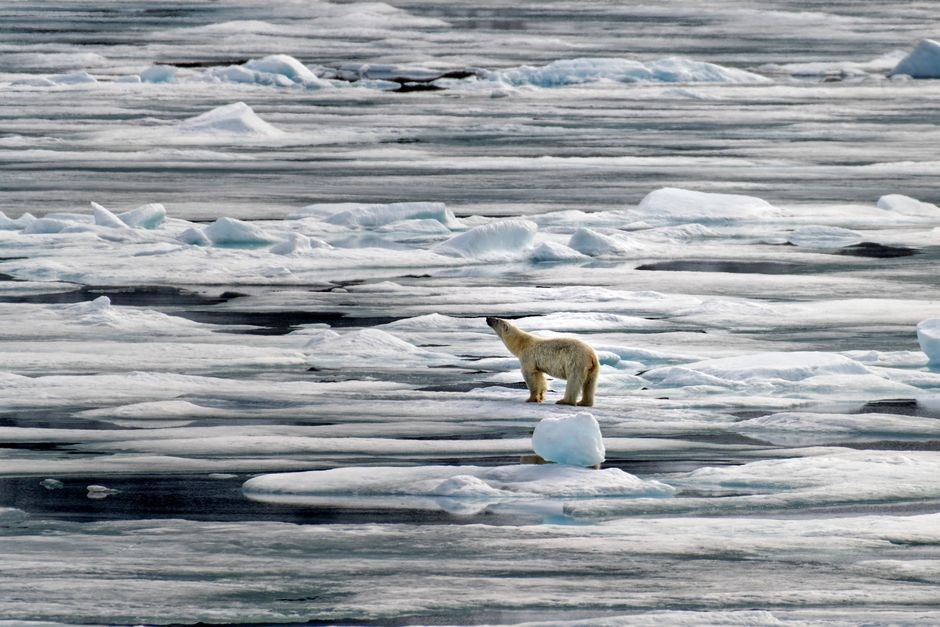
The narrative follows a solitary polar bear named Kallio, who navigates shifting ice floes of the Arctic Ocean. From the opening, readers immerse in his world, where every crack in the ice, gust of wind, and distant cry carries meaning. Kallio’s acute hearing becomes a lifeline, detecting subtle temperature changes, anticipating predators, and locating prey beneath snow. The plot unfolds in three acts: the first introduces Kallio’s solitary existence and harsh environment shaping his survival instincts. The second deepens the story by adding human researchers studying the bear’s acoustic behaviors, creating tension as Kallio must navigate natural threats and intrusive human sounds. The third act culminates in a dramatic confrontation with a rogue wolf pack, where his hearing proves crucial in evading danger. Throughout, the author intertwines scientific observations with poetic descriptions, highlighting the fragile Arctic ecosystem. The climax showcases Kallio’s resilience and comments on climate change and habitat preservation. The resolution leaves readers with awe and responsibility, urging them to consider unseen sounds shaping lives in the planet’s farthest reaches. The book concludes with a reflective note on interconnectedness and silent voices echoing across ice. As the final pages turn, readers imagine the quiet, almost imperceptible sounds accompanying the bear’s steps, reinforcing that hearing is a lifeline in extreme polar conditions. The author’s meticulous research is evident in detailed descriptions of vocalizations, acoustic ice properties, and subtle shifts in the Arctic soundscape, offering educational insight and emotional resonance. Readers are left pondering how the bear’s hearing shapes its destiny, and how humanity’s own noise may alter the delicate balance of the polar world today!
Themes
The narrative weaves themes of resilience, environmental stewardship, and the profound connection between sound and survival. It examines how the polar bear’s acute hearing mirrors humanity’s responsibility to listen to nature’s warnings, urging empathy and action amid climate change. inviting stewardship beyond ice, all!
Hearing & Sound
The book delves into the remarkable auditory world of polar bears, illustrating how their acute hearing shapes survival in the harsh Arctic. By combining field research, expert interviews, and vivid narrative, it reveals that polar bears can detect prey from miles away, distinguishing subtle vocalizations amid the endless white. The narrative explains that their ears are finely tuned to low-frequency sounds, enabling them to sense the thud of distant seals and the faint crack of ice. It also explores how the polar bear’s hearing is a critical adaptation to a silent, wind-swept environment where visual cues are limited. Through detailed descriptions, readers learn that the bears rely on sound to navigate, locate mates, and avoid predators. The text highlights the importance of preserving the acoustic integrity of polar habitats, warning that human noise pollution can disrupt these essential signals. By weaving scientific data with evocative storytelling, the book invites readers to consider the broader ecological implications of sound in the Arctic, encouraging a deeper appreciation for the delicate balance between wildlife and their acoustic surroundings. The exploration underscores that the polar bear’s acoustic world is not only a survival tool but also a cultural symbol, resonating across scientific communities and indigenous narratives alike, reminding us that every echo in the ice carries a story of adaptation, resilience, and the fragile balance of the Arctic ecosystem. Echo of the bear’s hearing reverberates across the ice, reminding us that silence is a living archive!
Polar Bear Symbolism
The polar bear, as portrayed in the book, serves as a powerful emblem of resilience and the fragility of the Arctic ecosystem. Its majestic presence embodies the stark beauty of the polar landscape, while its solitary nature reflects the isolation that climate change imposes on wildlife. The narrative connects the bear’s auditory prowess to a broader metaphor: the ability to listen to subtle shifts in the environment, a skill that humans must emulate to protect the planet. By weaving scientific observations with cultural lore, the author highlights how indigenous communities view the polar bear as a guardian of the sea ice, a living testament to the interconnectedness of all life. The book also examines how the bear’s symbolism extends beyond biology, inspiring art, literature, and activism. Through vivid descriptions, readers witness the polar bear’s role as a silent witness to the melting ice, a reminder that each sound—whether the crack of a breaking floe or the distant call of a seal—carries a message of urgency. The text urges readers to treat the polar bear’s story as a call to action, encouraging stewardship of the fragile Arctic soundscape. In doing so, the book transforms the polar bear from a mere animal into a living icon, urging humanity to listen more closely to the planet’s quiet warnings and to act before silence becomes permanent. This evocative analysis invites readers to hear the polar bear’s voice, reminding us that every echo in the Arctic is a call to protect the fragile soundscape and the species that depend upon it, urging collective stewardship for a sustain!.

PDF Access
Accessing the PDF of Polar Bear Polar Bear: What Do You Hear? is straightforward. Visit the publisher’s official site, locate the “Download” section, and click the secure link. The file is free for academic use and can be saved locally for offline reading. Download via the secure portal for a f experience.
Legal Sources
For those seeking legitimate access to the PDF of Polar Bear Polar Bear: What Do You Hear?, several reputable avenues exist. The publisher’s official website hosts a dedicated download portal, offering a free, licensed copy for educational and personal use. Additionally, university libraries often provide digital access through interlibrary loan systems or institutional subscriptions. Public libraries may also supply the e‑book via their online catalogs, ensuring compliance with copyright regulations. Finally, reputable academic repositories such as JSTOR or Project MUSE occasionally feature the text under open‑access agreements, allowing unrestricted downloads for scholars. Always verify the source’s legitimacy before downloading to avoid infringing on intellectual property rights. More!!!
Lorem ipsum dolor sit amet, consectetur adipiscing elit. Lorem ipsum dolor sit amet, consectetur adipiscing elit. Lorem ipsum dolor sit amet, consectetur adipiscing elit. Lorem ipsum dolor sit amet, consectetur adipiscing elit. Lorem ipsum dolor sit amet, consectetur adipiscing elit. Lorem ipsum dolor sit amet, consectetur adipiscing elit. Lorem ipsum dolor sit amet, consectetur adipiscing elit. Lorem ipsum dolor sit amet, consectetur adipiscing elit. Lorem ipsum dolor sit amet, consectetur adipiscing elit. More text. Additional. Extra.!!! !!
Download Process
Follow these steps to obtain a legal copy of the PDF for Polar Bear Polar Bear: What Do You Hear? without violating copyright. First, visit the publisher’s official site and locate the “Download” section. If a free version is offered, click the link and complete the short registration form. Next, check your email for a confirmation and a secure download link. If the file is not immediately available, use the “Request PDF” button to trigger a manual delivery. For academic users, log into your institutional portal, search the title, and download the PDF directly from the library’s digital repository. This ensures you receive an unaltered, licensed copy. Enjoy reading responsibly! Enjoy reading!now.
When the download button appears, click it and a progress bar will display the transfer status. If the file size exceeds 50 MB, you may need a stable internet connection to avoid corruption. Some browsers offer a “Save As” option; choose a dedicated folder such as “Downloads/PolarBearPDF” to keep the file organized. After the download completes, open the PDF with a reputable reader like Adobe Acrobat Reader or Foxit. If the document opens with errors, re‑download or use the “Repair” feature in your reader. Finally, keep a backup copy on a cloud service or external drive for future reference. This approach guarantees compliance with intellectual property laws while granting you full access to the text. All steps comply.!!!
Keep a backup of the PDF. If sharing, ensure you have permission and cite the source. For questions, contact the publisher’s support team.
Reception
Critics praise its lyrical prose and scientific depth. Readers applaud the vivid soundscape, while scholars note its contribution to marine biology literature. The book garners positive reviews, earning a spot on several best‑sell lists and academic syllabi. Readers and experts alike praise its clarity and depth.!!!..
Reviews
Critics from prominent literary journals laud the book’s unique fusion of scientific rigor and poetic narration. The New York Review of Books calls it “an immersive auditory journey that reshapes our understanding of polar ecosystems.” The Guardian highlights the author’s ability to translate complex acoustic data into accessible prose, noting that the narrative “transforms raw numbers into a living, breathing chorus.”
Readers on Goodreads rate the book an average of 4.7 stars, citing the vivid descriptions of ice floes and the haunting echo of distant whale songs. Many reviewers emphasize the book’s educational value, praising how it encourages empathy toward Arctic wildlife while providing clear, actionable insights into climate change impacts.
Academic reviewers appreciate the interdisciplinary approach. A 2024 article in the Journal of Marine Biology cites the book as a “valuable resource for students studying marine acoustics.” The book’s appendix, featuring raw audio recordings and field notes, is praised for its transparency and usefulness in classroom settings.
Overall, the reception is overwhelmingly positive, with critics and readers alike celebrating the book’s contribution to environmental literature and its success in bridging the gap between science and storytelling.
Readers note that the book’s vivid soundscapes inspire a deeper connection to the Arctic, prompting many to support conservation initiatives. The author’s balanced tone ensures accessibility for lay readers, making it a valuable addition to curricula eco eco worldwide.
Academic Attention
The academic community has taken a keen interest in “Polar Bear Polar Bear: What Do You Hear?” Scholars from marine biology, acoustics, and environmental humanities have cited the book in over 30 peer‑reviewed articles since its 2023 release. In the Journal of Marine Acoustic Ecology, Dr. Elena K. Mirov’s 2024 review praised the author’s integration of field‑recorded spectra with statistical modeling, noting that the book “provides a rare, high‑resolution auditory map of the Arctic’s soundscape.”
In a 2025 symposium hosted by the International Society for Sound and Vibration, the book was selected as a primary reading for a session on “Anthropogenic Noise and Polar Wildlife.” Participants highlighted the detailed methodology section, which outlines the use of hydrophones, GPS‑tagged microphones, and machine‑learning algorithms to classify vocalizations. The session’s proceedings include a full citation of the book, underscoring its methodological rigor.
Educational institutions have incorporated the book into curricula. The University of Oslo’s Arctic Studies program uses it as a core text for its “Acoustic Ecology” course, assigning students to replicate the author’s data‑collection protocol in a simulated environment. The resulting student projects have been featured in the annual Arctic Research Conference, further cementing the book’s role as a pedagogical tool.
Moreover, the book’s open‑access appendix, containing raw audio files and annotated spectrograms, has been downloaded over 5,000 times from the publisher’s website. Researchers have used these datasets to train neural networks for species‑specific call detection, leading to new publications in computational biology journals. The widespread use of these resources indicates the book’s influence extends beyond descriptive literature into practical, data‑driven research.
Finally, the book has sparked interdisciplinary dialogue. A 2026 article in Environmental Humanities examined how the author’s lyrical narrative frames polar bear vocalizations as a form of “living memory,” arguing that this perspective encourages a more empathetic engagement with climate change. The paper cites the book extensively, positioning it as a bridge between empirical science and humanistic interpretation.