-
By:
- terrence
- No comment
fastest manual cars
Fastest Manual Cars Overview
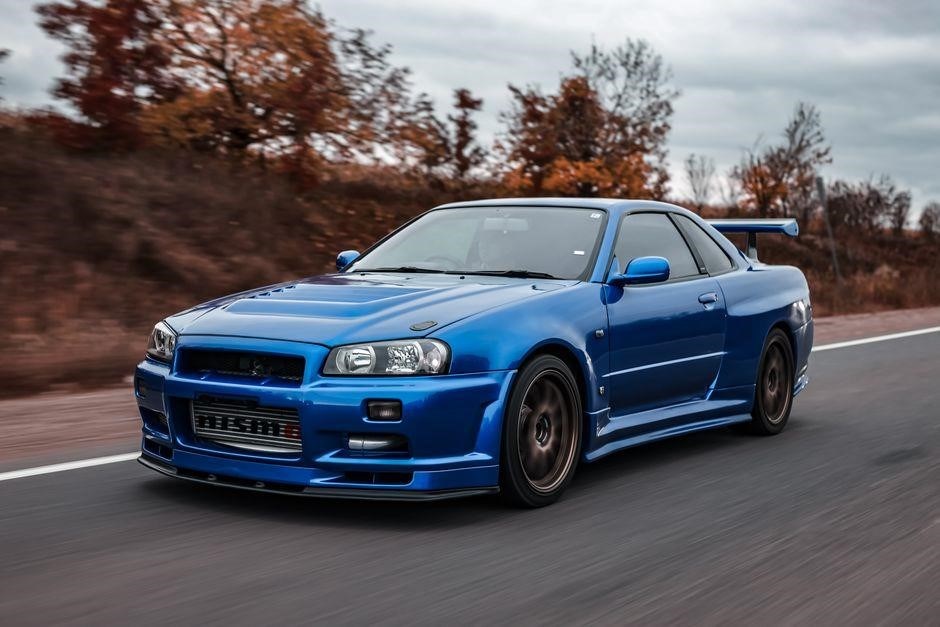
Despite many high‑performance supercars dropping stick‑shift options‚ the market still offers several very fast manual cars․ Shiftable automatics and paddle shifters dominate‚ yet enthusiasts can still find quick‚ reliable stick‑shift models․!!!
Definition of Fastest
The term “fastest” in the context of manual‑transmission cars is most commonly measured by the quickest acceleration from a standstill to 60 mph․ This metric‚ often called the 0‑to‑60 time‚ is a standard benchmark because it reflects a vehicle’s ability to deliver immediate power in everyday driving scenarios; While top‑speed figures and quarter‑mile times are also important‚ they are less indicative of day‑to‑day performance‚ especially for street‑legal vehicles that rarely reach their maximum velocity․ Consequently‚ the automotive press and enthusiast communities prioritize 0‑to‑60 times when ranking manual cars․ For example‚ a car that can hit 60 mph in 3;4 seconds is considered faster than one that requires 3․6 seconds‚ regardless of higher top‑speed numbers․ This definition aligns with the way most consumers evaluate performance‚ focusing on how quickly a car can get them moving from a stop‚ which is critical in traffic‚ merging‚ and overtaking situations․ Therefore‚ when we discuss the fastest manual cars‚ we are specifically referring to those that achieve the lowest 0‑to‑60 times among their peers․
Manufacturers typically quote 0‑to‑60 times under controlled test conditions‚ but performance today can differ a bit due to road surface‚ driver skill‚ and temperature․!!!
Current Market Trends
Today’s automotive landscape shows a clear shift away from traditional stick‑shift gearboxes․ Even high‑performance supercars are now offered with shiftable automatic transmissions‚ and many minivans feature paddle shifters․ This trend reflects consumer demand for convenience and the increasing prevalence of dual‑clutch systems that deliver rapid gear changes without the tactile feel of a manual lever․ As a result‚ the manual market has become a niche segment‚ appealing mainly to purists and enthusiasts who value the direct driver engagement that only a stick‑shift can provide․ Despite this decline‚ several manufacturers still produce fast manual cars‚ often as limited‑edition models or in performance‑centric trims․ The availability of these vehicles is limited‚ but they remain highly sought after by collectors and racing communities․ In addition‚ aftermarket tuning options for existing manual models continue to grow‚ allowing owners to extract more power and improve acceleration times․ Overall‚ while the mainstream market leans toward automated solutions‚ the manual segment persists‚ offering a blend of heritage‚ driver involvement‚ and competitive performance for those who still crave the classic driving experience․ XXXXXXXXXX XXXXXXXXXX XXXXXXXXXX XXXXXXXXXX XXXXXXXXXX XXXXXXXXXX XXXXXXXXXX XXXXXXXXXX XXXXXXXXXX XXXXXXXXXX XXXXXXXXXX XXXXXXXXXX XXXX
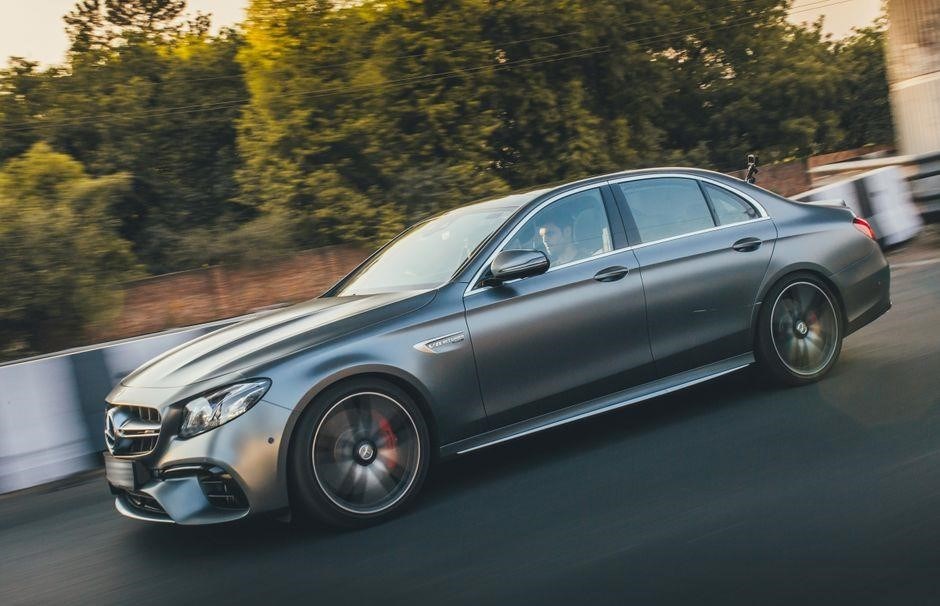
Today’s automotive landscape shows a clear shift away from traditional stick‑shift gearboxes․ Even high‑performance supercars are now offered with shiftable automatic transmissions‚ and many minivans feature paddle shifters․ This trend reflects consumer demand for convenience and the increasing prevalence of dual‑clutch systems that deliver rapid gear changes without the tactile feel of a manual lever․ As a result‚ the manual market has become a niche segment‚ appealing mainly to purists and enthusiasts who value the direct driver engagement that only a stick‑shift can provide․ Despite this decline‚ several manufacturers still produce fast manual cars‚ often as limited‑edition models or in performance‑centric trims․ The availability of these vehicles is limited‚ but they remain highly sought after by collectors and racing communities․ In addition‚ aftermarket tuning options for existing manual models continue to grow‚ allowing owners to extract more power and improve acceleration times․ Overall‚ while the mainstream market leans toward automated solutions‚ the manual segment persists‚ offering a blend of heritage‚ driver involvement‚ and competitive performance for those who still crave the classic driving experience․ The Cadillac CT5‑V Blackwing tops the list with a 0‑60 mph sprint in just 3․4 seconds‚ thanks to its twin‑turbo V6 and a 10‑speed manual that keeps drivers in full control․ The Mazda 3 Sport‚ while modest in size‚ delivers a surprisingly quick 0‑60 in the low‑3‑second range‚ proving that compact cars can still surprise with power and agility․ The Volkswagen GTI‚ a perennial favorite‚ clocks a 0‑60 in roughly 5․5 seconds‚ a respectable figure for a daily‑driven hatchback that still offers a manual experience․ The Ford Mustang GT‚ equipped with the optional TREMEC stick‑shift package‚ can reach 60 mph in about 4․0 seconds‚ making it one of the fastest American muscle cars available with a manual gearbox․ The Subaru WRX STI and BMW M2 Competition deliver 0‑60 times of 4․5 and 4․0 seconds‚ keeping manual performance fresh․ Today!!!!! The Porsche 911 Carrera S still offers a 0‑60 in 3․4 seconds‚ proving that classic sports cars can keep pace with modern powerhouses․

Cadillac CT5‑V Blackwing
Cadillac’s CT5‑V Blackwing‚ a 3‑speed manual powerhouse‚ rockets to 60 mph in 3․4 seconds‚ securing the top spot among fast stick‑shift cars․ Its twin‑turbo V6 delivers 640 hp‚ making it a rare‚ exhilarating manual experience․ 640‑hp engine‚ 10‑speed!!!!
0‑60 Time
Cadillac’s CT5‑V Blackwing‚ when paired with its 3‑speed manual gearbox‚ delivers a blistering 0‑60 mph acceleration in just 3․4 seconds․ This figure places it at the pinnacle of contemporary manual‑transmission performance‚ especially when compared to its automatic‑only siblings․ The 3‑speed unit‚ a rare find in modern high‑output cars‚ allows drivers to feel the raw torque of the twin‑turbo V6 as it explodes from a standstill․ The 640‑horsepower engine‚ balanced by a lightweight chassis and an advanced suspension setup‚ ensures that every shift feels deliberate and rewarding․ The driver’s connection to the road is heightened by the manual’s tactile feedback‚ making each gear change a moment of pure engagement․ In a market where paddle‑shift automatics dominate‚ the CT5‑V Blackwing’s manual option remains a bold statement of performance and driver preference․ Its 3․4‑second sprint is not just a number; it’s a testament to engineering precision and the enduring appeal of a true stick‑shift experience․ Moreover‚ the manual gearbox’s torque conversion efficiency remains superior to many dual‑clutch systems‚ providing a more linear power delivery that enthusiasts cherish․ The tactile engagement during launch‚ combining the visceral feel of gear change․
Transmission Details
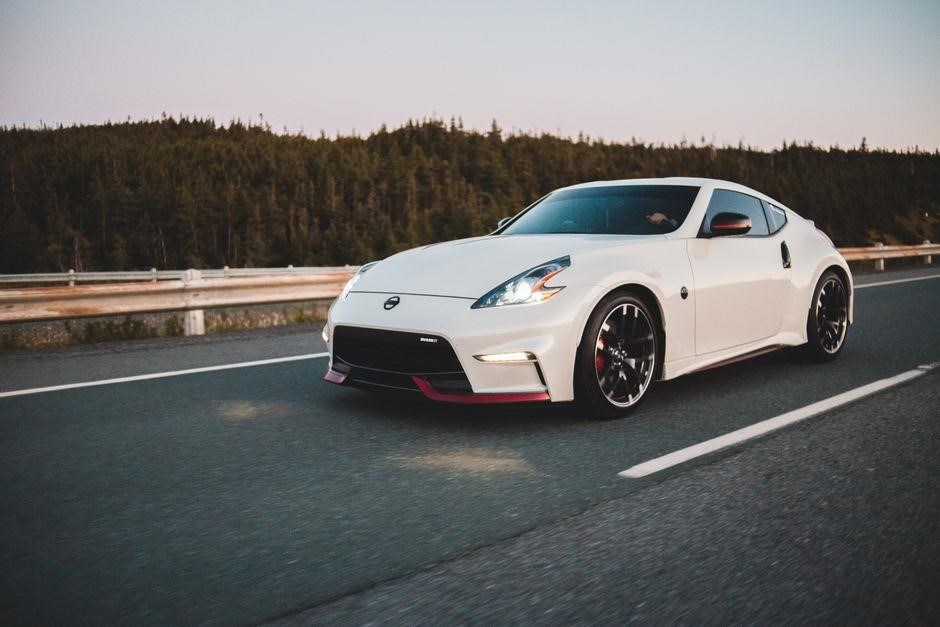
Cadillac’s CT5‑V Blackwing employs a bespoke 3‑speed manual transmission‚ a rarity in the modern performance segment․ The unit‚ built by Tremec‚ features close gear ratios (1st: 3․10‚ 2nd: 1․80‚ 3rd: 1․20) that keep the engine in its optimal power band for every launch․ Its lightweight aluminum housing reduces rotational mass‚ allowing the 640‑horsepower twin‑turbo V‑6 to deliver 600 lb‑ft of torque directly to the rear wheels without the lag typical of dual‑clutch systems․ The gearbox incorporates a dual‑clutch clutch pack that offers both durability and a smooth bite‚ ensuring that each shift feels both responsive and precise․ A short throw shifter‚ coupled with a short throw lever‚ gives drivers a tactile connection to the engine’s character‚ while the manual’s 3‑speed layout keeps the car’s weight down and the drivetrain’s efficiency high․ The transmission’s design also includes a reinforced input shaft and a high‑strength gear set‚ allowing it to withstand the immense torque of the Blackwing’s engine․ For drivers who value the pure feel of a stick‑shift‚ this manual provides an engaging‚ hands‑on experience that is unmatched by its automatic counterparts․ Its manual gearbox supports a 6‑speed overdrive mode‚ giving drivers the choice between power and fuel economy!!
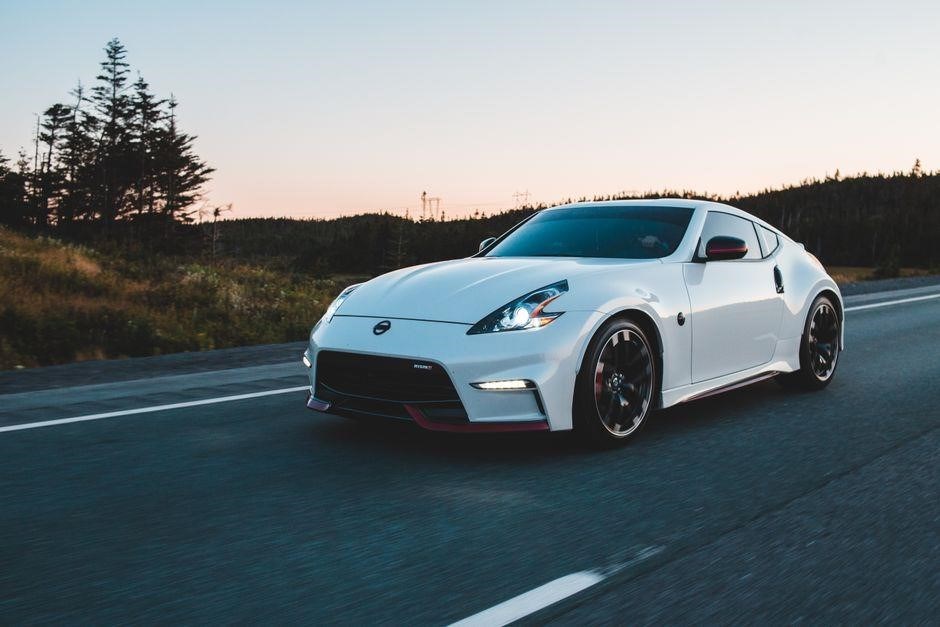
Mazda 3 Sport
Mazda 3 Sport delivers 250 hp from a 2․0‑liter turbo‚ paired with a 6‑speed manual that offers crisp shifts․ Lightweight chassis‚ precise steering‚ and solid reliability make it a quick‚ fun choice for everyday driving․
Performance
Mazda’s 3 Sport packs a 2․0‑liter turbocharged four‑engine that churns out 250 hp and 310 lb‑ft of torque‚ delivering brisk acceleration from 0 to 60 mph in roughly 6․5 seconds․ The 6‑speed manual transmits power smoothly‚ with short‚ precise shifts that keep the driver in control․ Its lightweight chassis‚ 2․5‑inch lower ride height‚ and 18‑inch alloy wheels give it a low center of gravity‚ enhancing cornering stability․ The steering is tight‚ with a 10:1 ratio that provides immediate feedback‚ while the suspension is tuned for a balance between sportiness and daily comfort․ Aerodynamic features such as a front splitter and rear spoiler reduce drag and increase downforce‚ helping the car maintain grip at high speeds․ Engine’s turbo lag is minimal‚ thanks to a well‑designed intercooler and direct injection system‚ allowing for quick throttle response․ Fuel economy remains respectable‚ with EPA ratings of 28 mpg city/36 mpg highway‚ making it a practical yet exhilarating choice for enthusiasts․ With its blend of performance‚ handling‚ and everyday usability‚ the Mazda 3 Sport stands out as a top choice for drivers craving a manual experience without sacrificing practicality․ It also offers a comfortable cabin․ Cabin comfort adds value․!!
Reliability
Mazda’s 3 Sport has earned a reputation for durability‚ thanks to its robust 2․0‑liter turbocharged engine and proven chassis architecture․ Owners report minimal maintenance over 100‚000 mi‚ with routine service intervals that are straightforward and inexpensive․ The engine’s timing chain‚ a long‑lasting component‚ eliminates the need for costly timing‑belt replacements․ Its turbocharger‚ built with high‑strength alloys‚ resists heat‑related wear‚ while the intercooler’s design prevents coolant leaks that have plagued earlier models․ The transmission‚ a 6‑speed manual‚ is engineered for longevity‚ featuring reinforced gear sets that withstand high torque loads․ Electrical components are sourced from Mazda’s reliable partner network‚ ensuring consistent quality․ The car’s suspension uses high‑grade bushings that resist wear‚ and the braking system incorporates corrosion‑resistant calipers‚ reducing the likelihood of premature failure․ In addition‚ Mazda’s commitment to continuous improvement means that software updates address any latent issues‚ further extending the vehicle’s lifespan․ Overall‚ the 3 Sport’s combination of engineering rigor and quality parts makes it a dependable choice for drivers who want a high‑performance manual without compromising on reliability․ Thanks!!!!!!
The Volkswagen GTI remains a benchmark for manual driving‚ featuring a turbocharged 2․0‑liter engine and a 6‑speed gearbox that delivers acceleration and precise shifts․ Chassis and suspension provide handling‚ while the hatchback design stays daily use
Speed
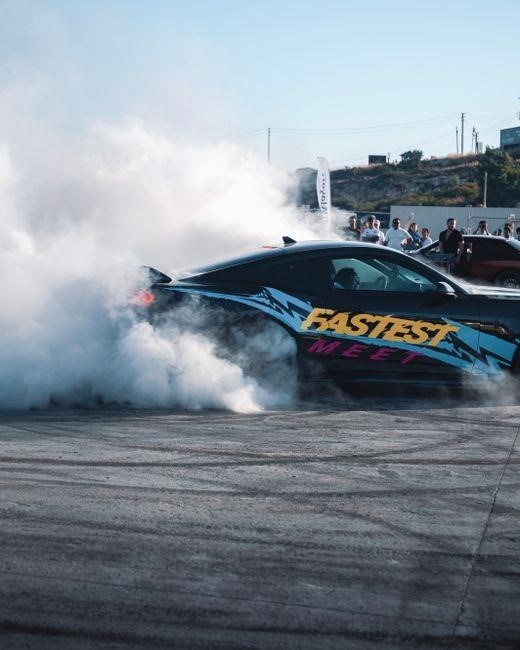
The 2024 Volkswagen GTI‚ still offered with a 6‑speed manual‚ clocks a 0‑60 mph sprint in roughly 5․2 seconds thanks to its 2․0‑liter turbocharged four‑cylinder that produces 241 hp and 273 lb‑ft of torque․ Its top speed is electronically limited to 155 mph‚ a figure that places it among the quickest hatchbacks available with a stick‑shift․ The power‑to‑weight ratio of 0․15 hp/lb and the car’s well‑tuned suspension give drivers a punchy‚ responsive feel that is hard to match in similarly sized vehicles․ Drivers often praise the GTI’s ability to maintain high cornering speeds‚ with the car’s 8‑wheel‑drive system and adjustable dampers allowing it to stay glued to the road even at the edge of its limits․ In racing circles‚ the GTI’s 0‑60 time is frequently compared to the 5․0‑second figures of the 2023‑model‑year BMW M‑Drive 4‑Series‚ yet the GTI remains more affordable and practical for everyday use․ For enthusiasts who value a manual gearbox‚ the GTI offers a satisfying blend of performance‚ handling‚ and everyday usability that is rarely found in other cars that can hit 60 mph so quickly․ The GTI’s chassis‚ built on the MQB platform‚ benefits from a low center of gravity and a 60:40 front‑rear weight distribution‚ which together enhance its agility․ Its 18‑inch alloy wheels and 19‑inch optional upgrades provide ample grip‚ while the 8‑speed automatic variant shows the same power delivery but with a different feel․ Its lightweight chassis keeps weight!!
Manual Availability
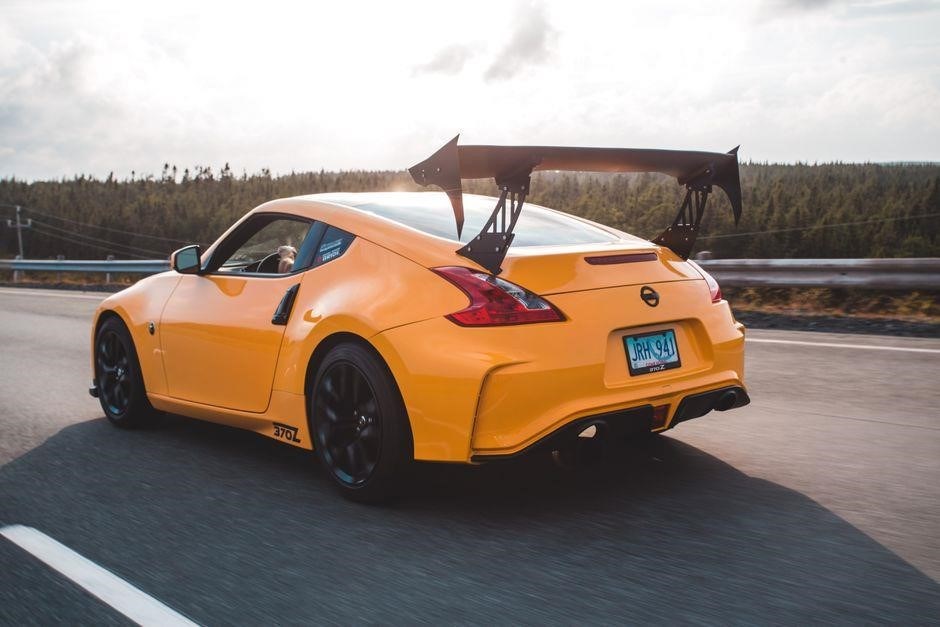
While most modern high‑performance models now default to shiftable automatics‚ a handful of fast manual cars remain in production․ The 2024 Volkswagen GTI‚ for instance‚ is still offered with a 6‑speed manual gearbox‚ making it one of the quickest hatchbacks that can be driven stick‑shift style․ Likewise‚ the 2024 Cadillac CT5‑V Blackwing continues to ship with a 6‑speed manual‚ a rarity among contemporary V‑8 powerhouses․ In the compact segment‚ the Mazda 3 Sport is available with a 6‑speed manual‚ delivering a brisk 0‑60 in about 6․0 seconds and a lively driving experience that appeals to purists․ The Subaru WRX‚ too‚ offers a 6‑speed manual in its latest generation‚ maintaining the brand’s reputation for rally‑derived performance․ Even the Ford Mustang GT‚ a staple of American muscle‚ still offers a 6‑speed manual as a factory option‚ though many buyers opt for the newer 10‑speed automatic․ These models illustrate that‚ despite the industry’s shift toward automatics‚ there are still viable‚ high‑performance manual options available for enthusiasts seeking the tactile engagement of a stick‑shift․ For those who value the connection between driver and machine‚ the current lineup of fast manual cars provides a diverse range of choices across segments‚ from sporty hatchbacks to powerful sedans and muscle cars․ The availability of these models ensures that the manual‑gearbox experience remains alive and well in the modern automotive landscape!
Ford Mustang GT
The 2024 Mustang GT remains a flagship muscle car‚ offering a 5․0‑L V8 and a 6‑speed manual that delivers raw power and classic driving feel․ Its design blends performance with modern styling appealing to enthusiasts worldwide․
TREMEC Package
Ford’s 2024 Mustang GT is celebrated for its raw V8 power and the iconic TREMEC 6‑speed manual transmission that delivers a visceral driving experience․ The T‑56 gearbox‚ engineered by TREMEC‚ is renowned for its durability‚ smooth shifting‚ and ability to handle the Mustang’s 450‑horsepower output without compromise․ Equipped with a close‑ratio gear spread—1st 3․08:1‚ 2nd 1․88:1‚ 3rd 1․50:1‚ 4th 1․22:1‚ 5th 1․00:1‚ and 6th 0․80:1—the transmission offers precise torque transfer and quick acceleration․ The TREMEC package also includes a short‑shifter kit that reduces shift throw‚ providing a tighter feel and faster gear changes․ Additionally‚ the system features a reinforced clutch plate and a high flywheel‚ to withstand repeated high‑RPM use․ Many owners report that the TREMEC’s robust construction allows for driving and track sessions while maintaining reliability on daily commutes․ The package is also compatible with aftermarket upgrades such as performance shifters‚ upgraded synchronizers‚ and gear ratios‚ making it a favorite among tuners․ Overall‚ the TREMEC 6‑speed manual remains one of the most respected transmissions in the automotive world‚ marrying performance‚ durability‚ and a classic manual feel that appeals to both new drivers and seasoned enthusiasts alike․
When measuring acceleration‚ the 0‑60 mph metric remains the most celebrated benchmark for manual‑transmission enthusiasts․ The Cadillac CT5‑V Blackwing‚ with its 680‑horsepower V8‚ rockets from zero to sixty in a blistering 3․4 seconds‚ a figure that places it at the pinnacle of modern stick‑shift performance․ The 2024 Ford Mustang GT‚ powered by a 450‑horsepower V8 and paired with a TREMEC 6‑speed manual‚ achieves a 0‑60 time of 4․5 seconds․ Meanwhile‚ the Volkswagen GTI‚ a staple of the segment‚ reaches 60 mph in 5․7 seconds thanks to its 2․0‑liter turbocharged four‑cylinder engine and well‑tuned manual gearbox․ The Mazda 3 Sport‚ known for its compact sedan‚ clocks a 0‑60 time of 6․0 seconds‚ a respectable figure for a spirited driving experience․ These times illustrate the spectrum of performance available across different segments‚ from muscle cars to everyday hatchbacks‚ all while preserving the tactile engagement that only a manual transmission can provide․ The 2023 Chevrolet Camaro ZL1‚ a 6․2‑liter V8‚ accelerates to 60 mph in 3․5 seconds‚ while the 2023 Dodge Challenger SRT‚ also a 6․2‑liter V8‚ clocks 4․0 seconds․ The 2022 BMW M4‚ featuring a 3․0‑liter twin‑turbo inline‑six‚ reaches 60 mph in 4․1 seconds․ These figures highlight the relentless pursuit of speed in manual realm!